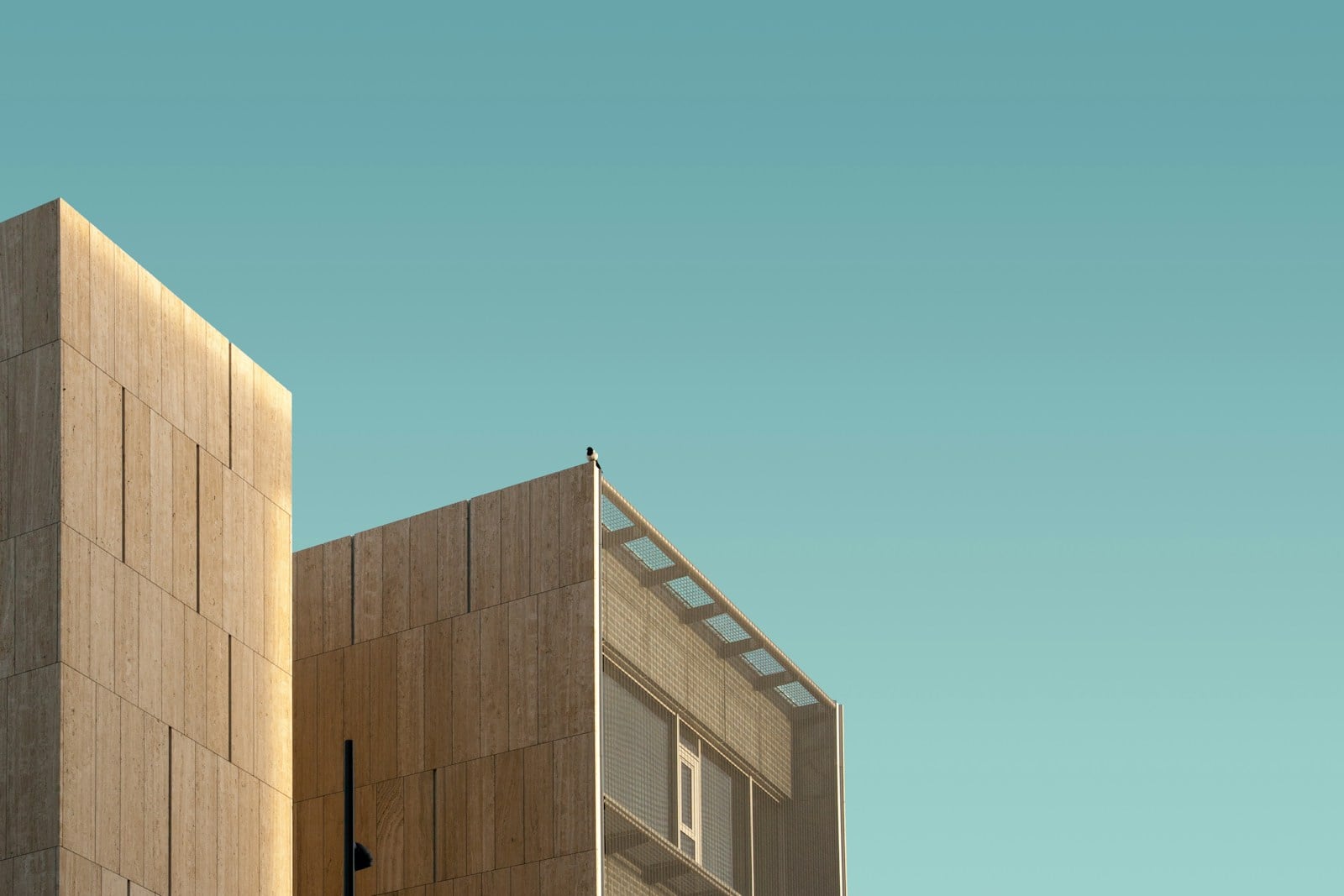
Some of the most impressive buildings are those where everything appears effortlessly simple. Clean lines, open spaces and carefully chosen materials create an impression of calm, with nothing unnecessary competing for attention.
However, achieving this simplicity involves far more planning than most people realise. Behind the elegant appearance of a modern building are countless practical decisions concerning structural stability, accessibility, maintenance and safety.
The most successful architectural designs don’t ignore these requirements. They incorporate them so thoughtfully that many of the essential features barely attract attention.
The Challenge of Designing Without Visual Clutter
Minimalist architecture relies on restraint. Rather than adding decorative features, architects concentrate on proportions, materials, natural light, and the relationship between different spaces.
This approach creates a particular challenge when incorporating essential safety equipment.
Handrails, barriers, access systems, and protective structures all serve important purposes, but poorly positioned installations can interrupt the clean appearance architects are trying to achieve.
The solution isn’t to eliminate these features. It’s to consider them early enough in the design process that they become part of the building’s overall composition. A carefully integrated handrail, for instance, can follow the geometry of a staircase, while thoughtfully positioned rooftop equipment can remain out of sight from ground level.
Making Rooftop Safety Less Obtrusive
Flat roofs are a defining feature of many contemporary buildings, particularly those with minimalist designs.
Their clean appearance can conceal a surprisingly complicated working environment. Rooftops may contain ventilation equipment, drainage systems, solar panels, and other installations requiring regular maintenance.
Workers accessing these areas need appropriate protection, especially where there’s a risk of falling from height.
Depending on the building’s design and risk assessment, Simplified Safety mansafe systems can form part of a planned approach to rooftop fall protection. These systems use anchorage and lifeline arrangements designed for compatible personal fall protection equipment.
Unlike prominent perimeter barriers, certain lifeline arrangements can have a relatively discreet visual presence. However, they require suitable training, inspection, rescue planning, and careful consideration of how workers will use them.
Visual discretion should never take priority over selecting the safest appropriate protection method.
Good Design Anticipates Future Maintenance
One mistake in architectural planning is concentrating entirely on how a building will look when construction finishes. Buildings need ongoing care. Windows require cleaning, roofs need inspecting, and mechanical systems eventually require repairs or replacement.
If maintenance access hasn’t been considered during design, even straightforward tasks can become complicated and expensive. Architects can address this by incorporating safe access routes, suitable working areas, and carefully positioned maintenance equipment from the outset.
These decisions may have little visible impact on the finished building, yet they can significantly influence how practical it remains throughout its lifespan.
Simplicity Requires Careful Planning
Minimalist architecture is sometimes mistaken for architecture with fewer features. In reality, achieving a simple appearance often requires greater attention to detail. Every visible element matters, from the positioning of a doorway to the finish of a handrail.
Safety should receive the same consideration as lighting, materials, and structural design. When architects, engineers and safety specialists collaborate early, practical requirements can be accommodated without unnecessary visual disruption.
Architecture That Works Beyond Appearances
Beautiful architecture should do more than photograph well. It must remain functional, accessible, and safe for everyone who uses or maintains it. The most thoughtful buildings achieve this balance without allowing technical requirements to dominate their appearance.
When safety is integrated intelligently, it becomes part of the architecture rather than an obvious addition. That’s when good design can appear almost effortless, even though considerable work has gone into making it possible.