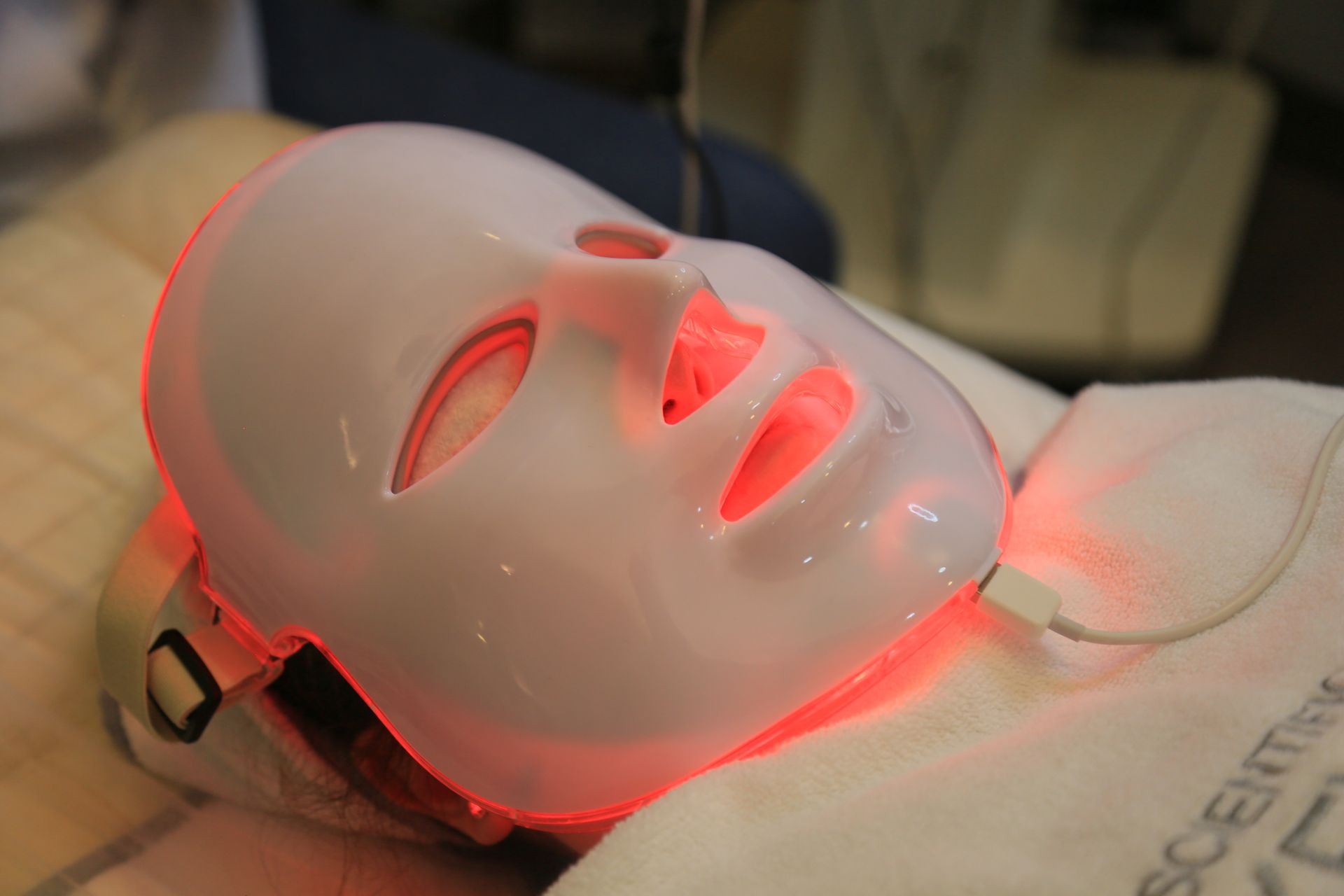
Red light therapy appeals to people for a simple reason: it offers a noninvasive way to support a wellness routine without adding another demanding workout or long recovery window. The treatment uses specific wavelengths of red and near-infrared light, typically delivered through a panel, bed, or targeted device. People explore it for goals related to skin appearance, post-exercise recovery, comfort, and general self-care.
That appeal doesn’t mean it should be treated as a miracle solution. Red light therapy is best understood as a potential complement to sound habits such as movement, sleep, hydration, nutrition, and appropriate medical care. For someone who’s curious but cautious, that’s actually one of its strongest advantages. It can fit into a broader routine rather than requiring an all-or-nothing commitment.
Potential Benefits People Commonly Seek
The reasons for trying red light therapy vary. Some people are primarily interested in supporting the look and feel of their skin. Others want a recovery-focused practice after training, physically demanding work, or active hobbies. The best reason to try it is a personal one that’s specific and compatible with your existing routine.
- Skin-focused self-care: Red and near-infrared light are often included in skincare-oriented routines for people who want to support a healthy-looking complexion and maintain a consistent self-care practice.
- Workout recovery rituals: Athletes and recreational exercisers may use sessions as a quiet period before or after activity, alongside proven recovery basics such as adequate rest, sensible programming, and nutrition.
- Relaxation and routine: A dedicated session can create a useful pause in a busy week. The calming, structured nature of the appointment may be valuable for people who struggle to make recovery time a priority.
- Targeted wellness goals: Depending on the equipment and guidance available, some users prefer a whole-body approach while others focus on particular areas as part of a personalized plan.
It’s important to separate potential support from guaranteed outcomes. Responses can differ based on the person, the goal, the device, session settings, consistency, and other lifestyle factors. A responsible provider should discuss what the service is designed to do, what it can’t promise, and how to use it safely.
What Makes a Good Red Light Therapy Experience
Not all devices, environments, or recommendations are identical. Before booking a session, ask practical questions. What type of device is being used? Is the session intended for whole-body exposure or a more focused area? How long is a typical session? Clear answers are a sign that the experience is being approached thoughtfully rather than sold with vague promises.
It also helps to choose a setting that supports consistency. If a facility is convenient, clean, and able to explain its process clearly, you’re more likely to follow a reasonable schedule and evaluate whether the service fits your needs. Anyone researching local options can learn more about red light therapy as part of a broader fitness and wellness routine.
Set Realistic Expectations Before You Start
A persuasive case for red light therapy should be grounded in realism. It’s not a replacement for medical diagnosis or treatment, and it shouldn’t be used to delay care for pain, skin changes, injuries, or other health concerns. If you’re pregnant, have a medical condition, use medications that can increase light sensitivity, or are receiving care for a skin or eye concern, speak with a qualified healthcare professional before beginning.
For everyone else, begin with a clear objective. Perhaps you want to create a more intentional recovery routine or add a quiet wellness practice to your week. Track how you feel and follow the provider’s instructions to the letter. This measured approach gives you a better basis for deciding whether the practice deserves a lasting place in your schedule.
The Bottom Line
Red light therapy is worth considering because it is accessible, noninvasive, and adaptable to a range of wellness goals. When paired with informed expectations, safe use, and consistent healthy habits, it can be a sensible option for people who want a more complete approach to recovery and self-care.