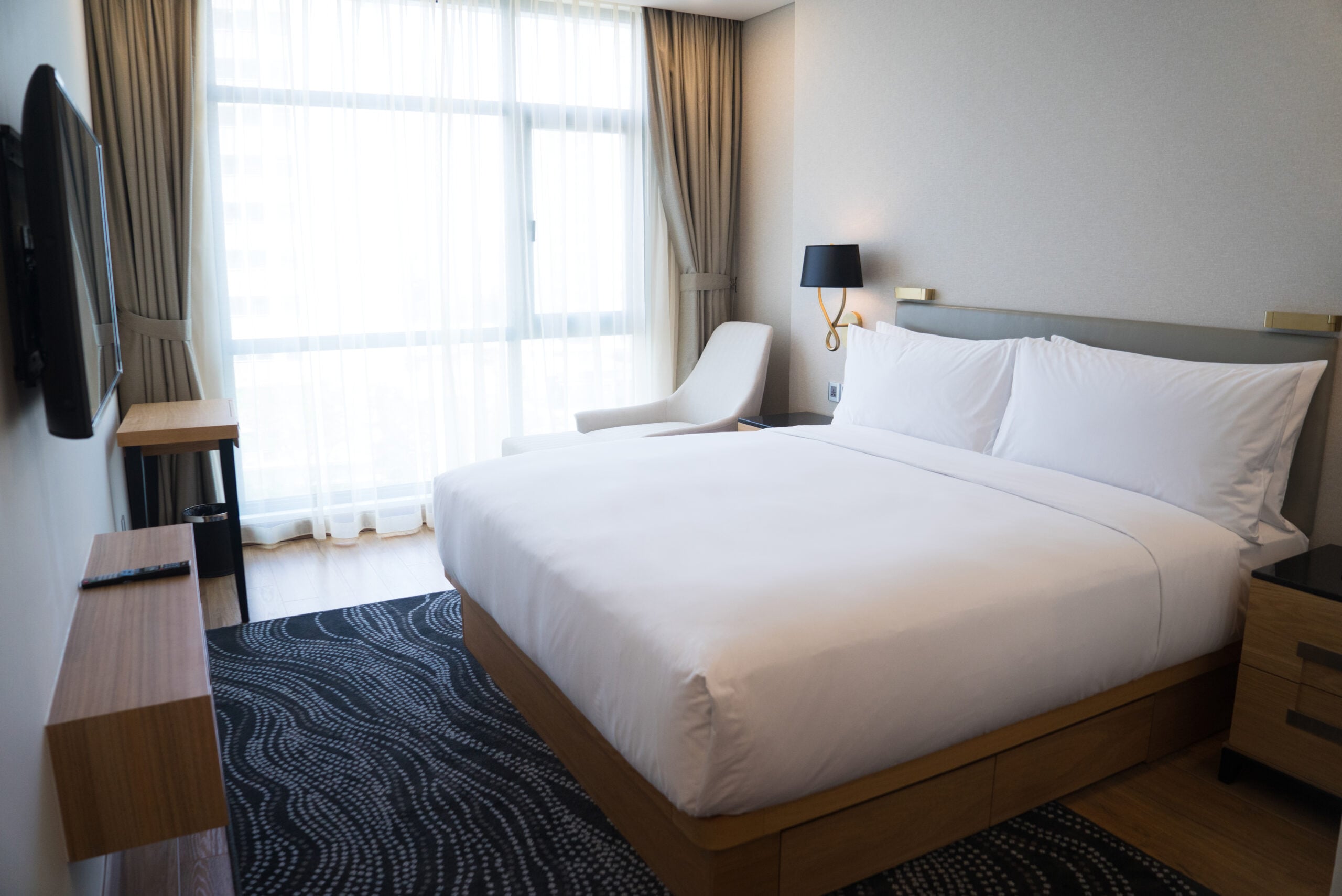
The average mattress in an American bedroom is replaced every 7.6 years, and the old one goes to a landfill in 80 percent of cases. A mattress is a 60 pound object made of steel, foam, and fabric, and it does not compress, does not biodegrade, and does not disappear. By the time a 30 year old has bought their fourth mattress, they have personally sent roughly 240 pounds of material to a hole in the ground. The bedroom furniture industry talks a lot about comfort and almost nothing about what happens to the furniture after the comfort is gone, and the disposal is the part of the purchase that lasts longest.
Bedroom furniture is bought for the room and thrown into the waste stream, and the gap between the two is where the real cost of a bedroom lives. The bed frame, the mattress, the nightstands, and the dresser are all objects with a lifespan and a disposal path, and the buyer who thinks only about the room is the buyer who pays for the furniture twice, once at the register and once at the dump.
The Frame That Outlasts The Mattress
The bed frame is the piece of bedroom furniture with the longest life and the most neglected design. A solid wood frame can last 40 years and survive three mattresses, which makes it the most sustainable object in the room by a wide margin. The frame that is bought well is the frame that is bought once, and the frame that is bought badly is the frame that is replaced every mattress cycle and ends up in the waste stream four times instead of zero.
The advice that helps is to buy the frame for the next mattress, not this one. A frame sized to a standard mattress, with standard slat spacing and standard hardware, is a frame that accepts the next mattress without modification. A frame sized to a nonstandard mattress, or with proprietary slats, is a frame that forces a nonstandard replacement and ends up in the dump when the proprietary part breaks. The standard is the sustainable choice, and the standard is also the cheaper choice over the life of the bed.
The Mattress And The Material Question
The mattress is the bedroom furniture with the shortest life and the largest disposal footprint, and it is the piece most buyers research least. The materials inside a mattress determine both how it sleeps and how it dies. A polyurethane foam mattress off-gasses for months and sits in a landfill for centuries. A latex mattress can be recycled and degrades if it is not. A pocket coil innerspring has steel that can be recovered and fabric that can be composted, if anyone bothers.
The buyer who asks what happens to the mattress at the end of its life is the buyer who buys a different mattress. The federal recycling guidance lays out the materials recovery hierarchy and the local options for the bulky items that municipal pickup will not take, and the mattress is the bulky item that most municipalities will not take. The mattress bought with a take back program is the mattress that does not go to the landfill.
The Dresser And The Wood
The dresser is the piece of bedroom furniture that carries the most material and the most hidden chemistry. A solid wood dresser can be repaired, refinished, and rehomed, and it has a second life after the first owner is done with it. A composite wood dresser, bound with formaldehyde resins, off-gasses in the bedroom and falls apart in the move, and it goes to the landfill whole because it cannot be separated into its materials.
The label that says “wood” may mean solid wood, veneer over solid wood, or composite with a wood print. The buyer who reads the construction, not the finish, is the buyer who buys a dresser that lasts and that can be passed on. The buyer who reads the finish is the buyer who buys a dresser that lasts five years and then becomes waste.
The Nightstand And The Second Life
The nightstand is the small piece that is bought last and replaced most, and it is the piece with the easiest second life. A nightstand that is a small solid wood table can move from the bedroom to the living room to the entryway over 30 years. The nightstand that is a matched particleboard set is the piece that breaks in the move and goes to the dump.
The Nanis Weimaraners project notes track how bedroom furniture moves through households over decades, and the consistent finding is that the small solid pieces survive and the large composite pieces do not. The bedroom bought with the disposal in mind is the bedroom that costs less over a lifetime.
The Room And The Waste Stream
The bedroom is the room in the house with the heaviest furniture and the most frequent replacement cycle, and it is the room where the disposal decision is most often ignored. The bed frame, the mattress, the dresser, and the nightstand are all objects that will leave the room, and the question that matters is where they go when they leave. The bedroom that is bought for the room alone is the bedroom that fills a landfill. The bedroom that is bought for the room and the waste stream is the bedroom that costs less and lasts longer, and the difference is a question the buyer can ask before the credit card comes out.


Buying solid natural materials like latex or wood is a great approach, but the biggest hurdle is usually finding places that actually take back old mattresses for recycling. Has anyone found fnf game reliable brands or local programs that handle mattress disposal responsibly?
Purchasing solid natural materials such as latex or wood is dino game a terrific idea, but the main challenge is typically finding organizations that accept old mattresses for recycling.
It really makes you rethink how disposable bedroom furniture has become. Investing in a sturdy, standard wood frame that can survive multiple mattress cycles is definitely the smarter, more sustainable move.