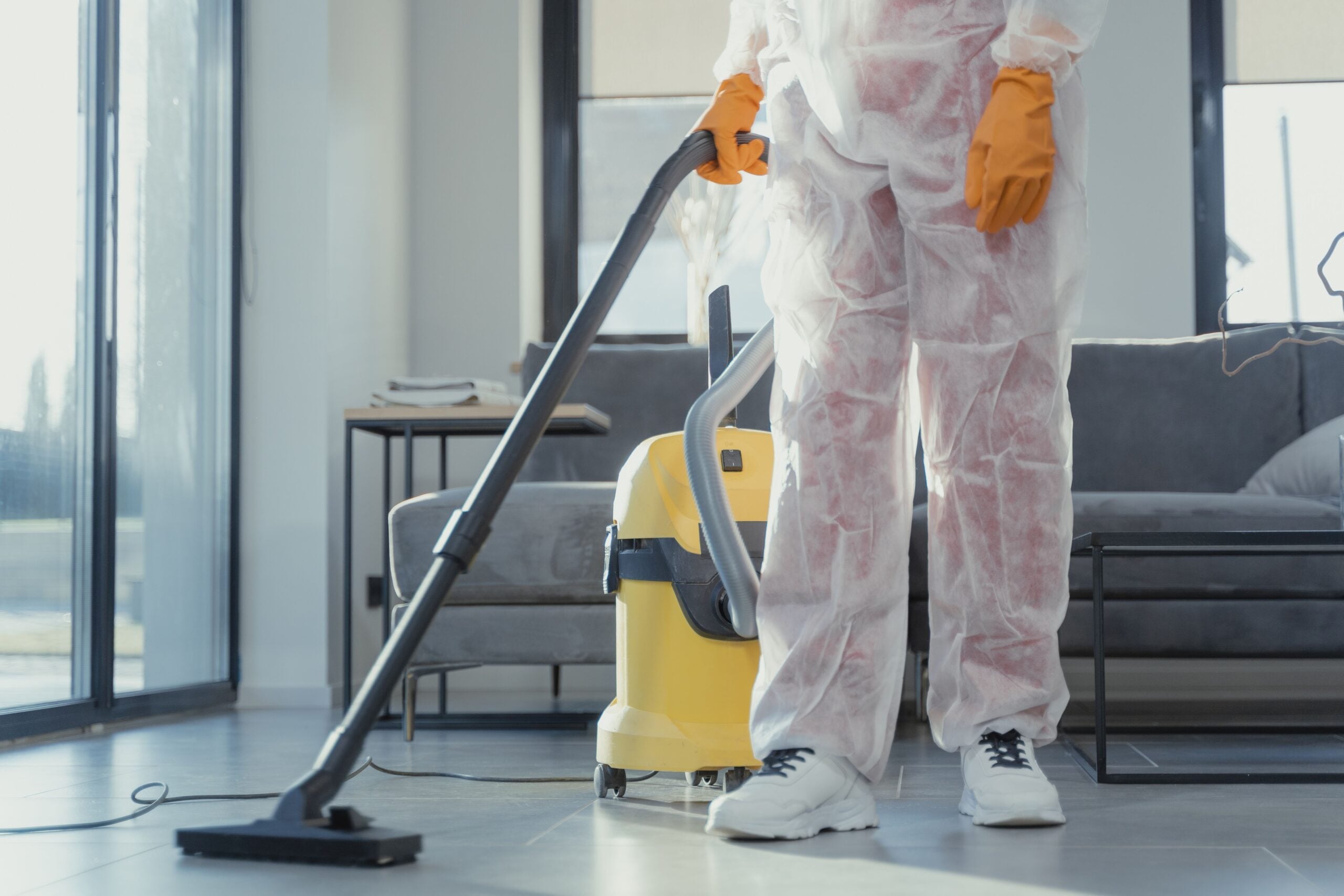
The first time Maria hired a cleaning service, she paid 180 dollars for two hours and came home to a kitchen that looked exactly the way she had left it. The crew had mopped around the table, wiped the counter tops, and skipped the stove. When she called to complain, the number went to a voicemail box that was full. The second time, six months later, she asked three different companies for a written checklist before booking. The third company sent one in under an hour. She hired them. The lesson cost her 180 dollars and a Saturday morning, which is cheaper than most people pay.
Hiring a cleaning service is one of those purchases that looks simple and is not. The price varies by a factor of three for the same square footage. The same company will send a trained crew to one house and a subcontractor who has never seen the checklist to the next. The good news is that the difference between a bad hire and a good one is almost entirely in the questions you ask before you book.
Decide What You Are Actually Buying
Most people call a cleaning service without knowing what they want cleaned, and the quote they get reflects that confusion. A deep clean, a maintenance clean, and a move-out clean are three different products with three different price tags. A maintenance clean is what most households want: the surfaces, the floors, the bathrooms, the kitchen, on a weekly or biweekly cycle. A deep clean adds baseboards, interior appliances, and the things you only do twice a year.
Before you call, walk your house with a notebook. Write down the rooms, the frequency you can live with, and the two or three tasks you care about most. If the stove and the bathrooms matter and the blinds do not, say so. A company that quotes before you tell it what you want is quoting a package, and the package is where the disappointment lives.
The Quote, And What Is Hiding In It
A fair quote is itemized. A dangerous quote is a single number for “the house,” which assumes a tidy home, no pets, and a crew that finishes on the estimator’s guess. Real homes have pet hair, real kitchens have grease, and real crews run over. Ask whether the price is fixed or hourly, and what happens if the crew finishes early, because the answer tells you whether you are paying for time or for results. The national median for a biweekly maintenance clean of a 2,000 square foot home sat around 135 dollars per visit in late 2025, according to invoicing data from a cleaning industry trade group. Anything 40 percent below that is a flag, not a deal.
Insurance, Bonding, And The Crew Question
This is the part most buyers skip and most regrets come from. A legitimate cleaning service carries two things: general liability insurance and a bond. Liability covers the window the crew breaks and the floor they flood. The bond covers theft by an employee. Ask for a certificate of insurance, not a verbal assurance. A company that cannot produce one in 24 hours is a company that does not have one.
Then ask who actually shows up. The industry splits between companies that employ their crews and companies that subcontract. Employees are trained by the company, covered by the company’s insurance, and supervised by the company. Subcontractors are a separate business with their own insurance and their own standards. The Anurodh directory is one of the places that lists services by employment model, which is a detail worth checking before the first visit.
The Products, And The People Breathing Them
Cleaning products are not a side issue. The crew works in your home for two to four hours, and whatever they spray is what you and your children breathe for the rest of the evening. A service that uses a generic industrial disinfectant on every surface is fast and cheap and leaves a volatile organic compound residue you will not smell but will inhale. A service that brings its own labelled, third-party reviewed products is telling you something about how it thinks about the people inside the house.
The federal product screen that matters here is the EPA Safer Choice list, which reviews cleaning products for ingredient safety and labels the ones that meet the standard. A service that can name the products it uses and point to that label is a service that has thought about chemistry. A service that says “we use whatever is under your sink” is outsourcing the decision to you and the risk to your lungs.
The Checklist And The Walkthrough
A good service does a walkthrough with you before the first clean and again after it. The walkthrough before is where the crew lead notes the fragile vase, the floor that cannot take water, and the pet that cannot go outside. The walkthrough after is where you point out what was missed while the crew is still there and can fix it. A service that refuses the after-walkthrough is a service that does not want to be held to its work.
Get the checklist in writing. Not a marketing checklist, a real one, room by room, with the tasks the crew is responsible for and the tasks they are not. The checklist is the document you point to when something is missed and the company says “that is not included.” Without it, every disagreement becomes your word against a dispatcher.
Contracts, Cancellation, And The Key
Most cleaning services do not require a long contract. A month to month arrangement with a two week cancellation notice is standard. A six month minimum with an auto-renewal clause is a trap dressed up as a discount. Decide how access will work before the first visit. A lockbox, a garage code that rotates, or a neighbour who lets the crew in are all systems. Hiding a key under a mat is not.
The First Clean, And What It Tells You
Treat the first clean as an audition. Be home for it. Walk through with the crew lead at the start and at the end. Notice whether the crew uses the products they said they would, whether they move through the house in a system or at random, and whether they leave the house the way you would leave it. The first clean is the best the service will ever be, because they want the recurring account. If the first clean is mediocre, the second will be worse.
Pay attention to the small betrayals. A crew that leaves the cleaning rags in your sink has not finished. A crew that re-arranges your bathroom counter has not been trained. These are the signs that tell you more than the price ever will.
When To Walk Away
A service that resists a checklist, will not show insurance, cannot name its products, or refuses a walkthrough is not a service you should keep because the price is low. The cost of a bad service is not the invoice. It is the broken lamp, the scratched floor, and the argument with a dispatcher who has your card on file. Fire a bad service on the first clean, not the fourth.
The good service is out there, and it is not the most expensive one. It is the one that answers your questions in writing, sends a crew lead who introduces themselves, and leaves your house the way you would leave it if you had the time. When you find it, keep it. A reliable cleaning service is worth more than the hourly rate, and the people who have one know exactly what that is worth.