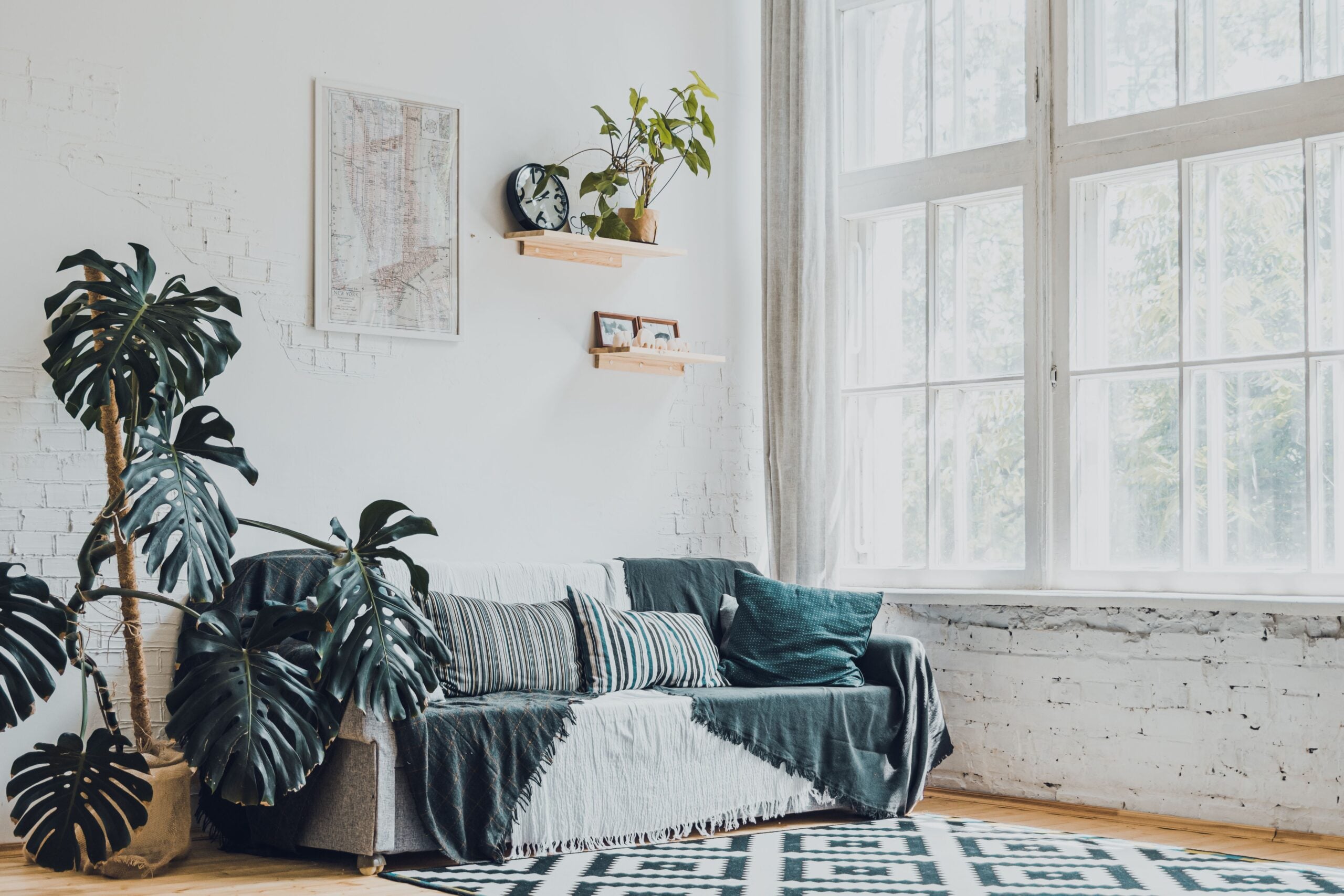
Scandinavian interior design has become one of the most influential and most widely adopted design traditions globally, and its appeal is not difficult to understand. The combination of functional simplicity, natural materials, considered craftsmanship, and the particular quality of light that characterises Scandinavian interiors produces spaces that are both beautiful and genuinely comfortable to live in.
At gedenshoeling.com you will find Scandinavian interior design guides, Nordic home inspiration, and practical resources covering the principles, materials, colour approaches, and design choices that define this beloved aesthetic and how to apply it in any home.
The Origins of Scandinavian Design
Scandinavian design emerged as a recognised movement in the mid-twentieth century, bringing together the design traditions of Denmark, Sweden, Norway, Finland, and Iceland in a shared aesthetic grounded in the principle that beautiful design should be accessible to everyone. The movement was explicitly democratic in its ambitions: its major figures designed furniture, ceramics, textiles, and household objects intended for industrial production and mass-market distribution rather than for elite consumption.
The design language that emerged from this tradition is characterised by clean, undecorated forms that derive their beauty from proportion and material quality rather than from ornament; natural materials (particularly wood, leather, wool, and linen) that are honestly expressed rather than concealed; and a relationship between the designed object and the human body that prioritises comfort and ease of use.
Light: The Central Preoccupation of Nordic Interiors
The Scandinavian preoccupation with light, which shapes every dimension of Nordic interior design, is not merely aesthetic: it reflects the experience of living in latitudes where daylight is abundant in summer but scarce through long, dark winters. The design of Nordic interiors has evolved over centuries to maximise the experience and quality of available light, and this accumulated wisdom is the most directly practical gift of Scandinavian design to the rest of the world.
White walls, the most characteristic feature of Scandinavian interiors, are not a simplistic default but a functional response to light conditions. A white wall reflects available light throughout a space, amplifying the sense of brightness and openness in rooms that receive limited direct sunlight. The specific tone of white matters: Scandinavian whites typically have a warm or neutral undertone rather than a cool one, preventing the chilly quality that pure optical white can produce in grey-lit conditions.
Natural Materials: Warmth Against the White
The white backdrop of a Scandinavian interior provides the contrast against which natural materials perform most effectively. Pale, bleached, or limed timber flooring and furniture introduce warmth and organic character without competing with the luminosity that white walls create. Wool rugs in natural tones add texture and acoustic comfort. Linen and cotton textiles in muted, natural tones provide softness and tactile warmth.
The choice of timber species significantly affects the character of Scandinavian interior schemes. Oak, the most widely used timber in Scandinavian furniture and flooring, offers a close, even grain and a warmth of colour that maintains its quality over time. Pine, the traditional timber of Scandinavian vernacular interiors, has a softer character and more prominent grain that gives a less refined but more rustic quality. Both read as authentic within the tradition; the choice depends on the register of the interior being created.
Hygge: Designing for Cosiness
The Danish concept of hygge (approximately translated as cosiness, conviviality, or the particular quality of comfortable togetherness) has received extraordinary international attention in recent years, and its influence on interior design is significant. Hygge interiors prioritise warmth, softness, and the quality of light and atmosphere that makes a space feel safe and inviting.
Candles are central to hygge lighting design: their flickering, warm light creates an intimacy that electric lighting rarely achieves, and the Scandinavian tradition of extensive candle use in domestic interiors reflects the understanding that the quality of light in a space is as important as its quantity. In contemporary interiors, the combination of candles with warm-toned LED lighting at low levels during evening hours captures much of the hygge quality.
Textiles, accumulated in generous layers, are the material embodiment of hygge in an interior: woollen blankets, layered cushions, soft rugs underfoot, and the particular comfort of a chair that holds you rather than merely supports you all contribute to the quality of physical welcome that defines a hygge interior.
Scandinavian Design Principles for Any Home
The principles of Scandinavian design apply to any interior, regardless of the existing architecture or style of the home. Starting with a light, neutral wall colour that reflects rather than absorbs light; choosing furniture with clean lines and quality natural materials rather than decorative details; prioritising natural materials for floors and textiles; managing lighting in layers with multiple warm-toned sources rather than relying on overhead light; and editing accessories to a considered few rather than accumulating indiscriminately: these choices, applied consistently, move any interior toward the quiet beauty that defines this enduring design tradition.