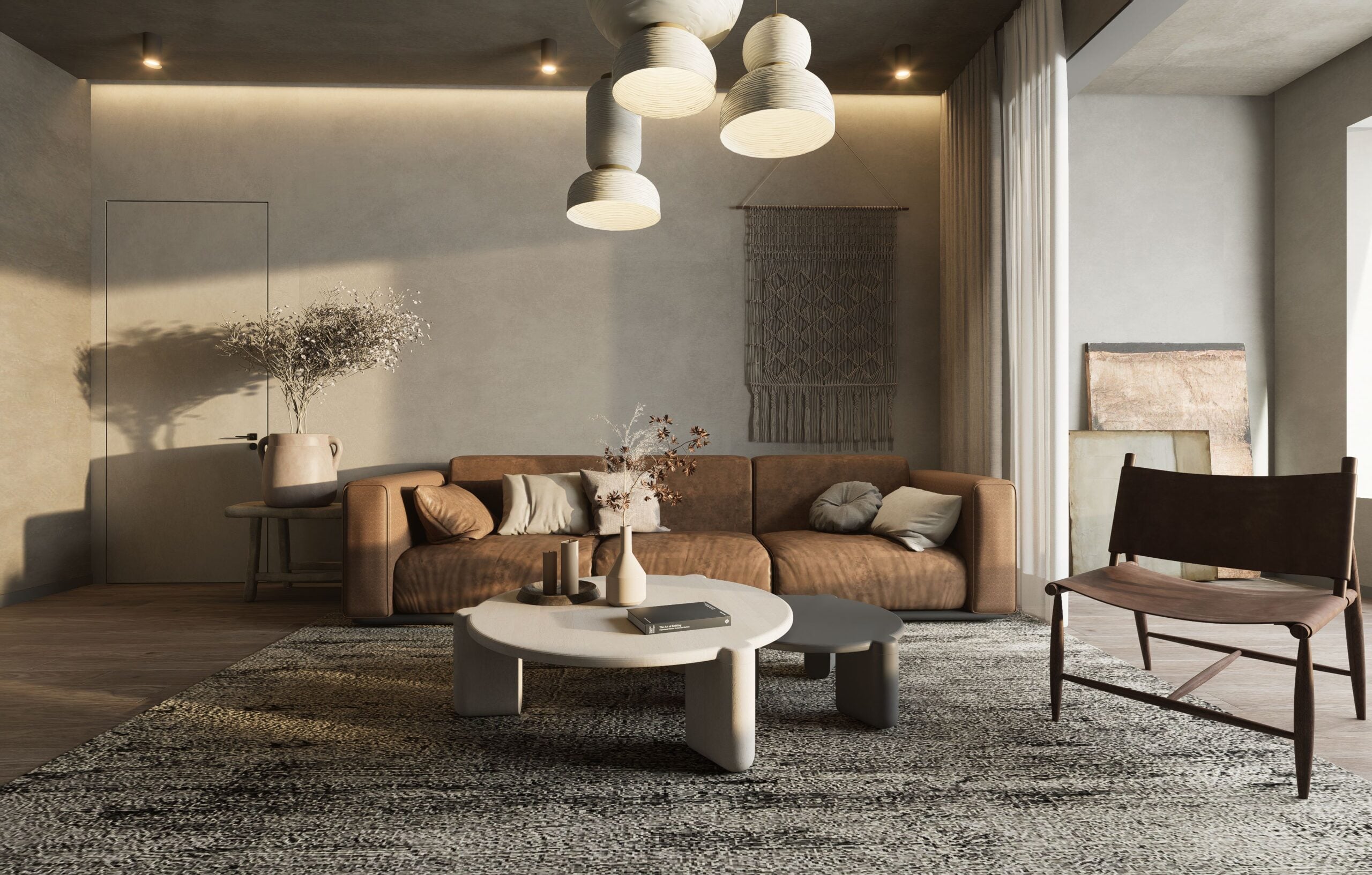
Minimalist interior design is one of the most misunderstood of all design philosophies. It is frequently mistaken for mere austerity, the removal of everything warm, personal, or comfortable in pursuit of an aesthetic of emptiness. Genuine minimalism is quite different: it is a considered approach to selecting, editing, and arranging the elements of a space so that everything present is genuinely valued and everything present is beautiful, leaving nothing that is present by default or out of inertia.
At niceiphonewallpapers.com you will find minimalist interior design guides, home editing resources, and practical advice covering the principles of minimalist design, how to edit existing spaces toward greater simplicity and quality, and how to make design choices that prioritise meaning over accumulation.
The Philosophy Behind Minimalism
Minimalist architecture and interior design draw on several distinct traditions: the Japanese concept of ma (negative space as an active design element), the Modernist principle that form follows function, and the broader cultural reaction against the consumerist accumulation of objects that characterises late twentieth-century domestic life.
What these traditions share is the conviction that a space with fewer, better-chosen elements is more beautiful, more calming, and more deeply satisfying than one filled with a greater number of less-considered ones. The minimalist interior does not communicate poverty or restriction: it communicates confidence, selectivity, and the willingness to prioritise quality over quantity in every dimension.
The Edit: Where Minimalism Begins
Every minimalist interior begins with subtraction rather than addition. The first stage of creating a minimalist space is a rigorous editing process: the systematic removal of everything that is not genuinely valued, genuinely useful, or genuinely beautiful in that specific space.
The editing process is more emotionally challenging than it appears. Objects accumulate in homes not only because they are genuinely wanted but because of inertia (it is easier not to remove things than to remove them), because of guilt (objects received as gifts or inherited carry emotional weight), and because of scarcity thinking (the feeling that keeping things is prudent regardless of whether they will be used). Genuine editing requires confronting these patterns honestly.
The most helpful framework for editing is not whether an object might be useful someday, but whether its presence in the space adds value to daily life that exceeds the visual noise and spatial cost it creates. An object that is never used and never noticed is still cluttering the space with its presence, even if it is unobtrusive enough that its removal would not be immediately apparent.
Quality Over Quantity: Selecting What Remains
What distinguishes a genuinely minimalist interior from a merely empty one is the quality of what remains after editing. Each element in a minimalist space, every piece of furniture, every fixture, every object, must justify its presence through genuine excellence: quality of material, quality of craft, quality of design, or the quality of personal meaning it carries.
This principle of quality over quantity has significant implications for how purchasing decisions are made. Buying one genuinely excellent chair rather than two adequate ones, a single hand-thrown ceramic rather than a set of mass-produced ones, a rug that is exactly right rather than one that is merely acceptable: these choices, consistently made, produce an interior of quiet distinction rather than the polished blankness of an interior that has been emptied without being filled with anything of genuine value.
Colour and Material in Minimalist Interiors
Minimalist interiors typically work within a restrained colour palette, but this restraint is not an absence of colour choice. The careful selection of a single dominant tone, whether white, warm grey, warm beige, or a more chromatic colour, and the management of variation within that tone through different materials and finishes, is an active design decision that requires as much skill as the selection of a complex palette.
The relationship between textures in a minimalist interior becomes more important precisely because the reduced number of elements makes each one more visible. The contrast between a rough linen cushion and a smooth concrete surface, between a matte wall and a polished stone countertop, creates the visual interest that would, in a more maximalist interior, be provided by pattern and ornament.
The Ongoing Practice of Minimalism
Minimalism is not a single editing exercise but an ongoing practice of attention and restraint. Maintaining a minimalist interior requires the cultivation of habits that prevent the re-accumulation of objects: a commitment to thoughtful purchasing, a regular editing practice, and the discipline to resist acquiring things that are not genuinely wanted simply because they are available and affordable.
The rewards of this practice are cumulative. A space that is consistently maintained with attention and care develops a quality of presence that is difficult to achieve through any single design intervention, and the daily experience of living in it becomes increasingly rather than decreasingly pleasurable over time.