Home should be a place of comfort, but when mobility changes, the environment outside your front door can quickly turn into an obstacle course. Whether you’re remodeling for a family member or planning for your own future needs, ensuring the exterior of your house is easy to navigate brings a huge sense of relief. Getting out into the community starts right at your front porch.
If you regularly use an accessible transportation service to run errands or get to medical appointments, you know how crucial a smooth transition from your house to the vehicle truly is. Navigating steep steps, cracked walkways, and narrow doors just adds unnecessary stress to the day. The good news is that modifying your exterior doesn’t require tearing the whole house down. By focusing on a few key areas, you can create a safe, welcoming entry point that works for everyone.
Redesigning Pathways and Ramps
The most obvious barrier for anyone using a wheelchair is a set of stairs. Installing a ramp is usually the first project on the list, but doing it right takes careful planning. A standard ramp needs a gradual slope to be safe and manageable. For every inch of vertical rise, you generally need a foot of ramp length. So, if your porch sits two feet off the ground, you’ll need a twenty-four-foot ramp.
Materials matter here, too. Wooden ramps are popular and blend well with traditional home designs, but they require regular upkeep to prevent rot and splinters. Aluminum or composite materials cost a bit more upfront but save you a lot of maintenance headaches down the road. Whatever material you choose, make sure the ramp is at least thirty-six inches wide. You also need flat landing zones at the top and bottom so the chair doesn’t roll backward while you’re trying to unlock the front door.
Smoothing Out the Driveway and Parking Areas
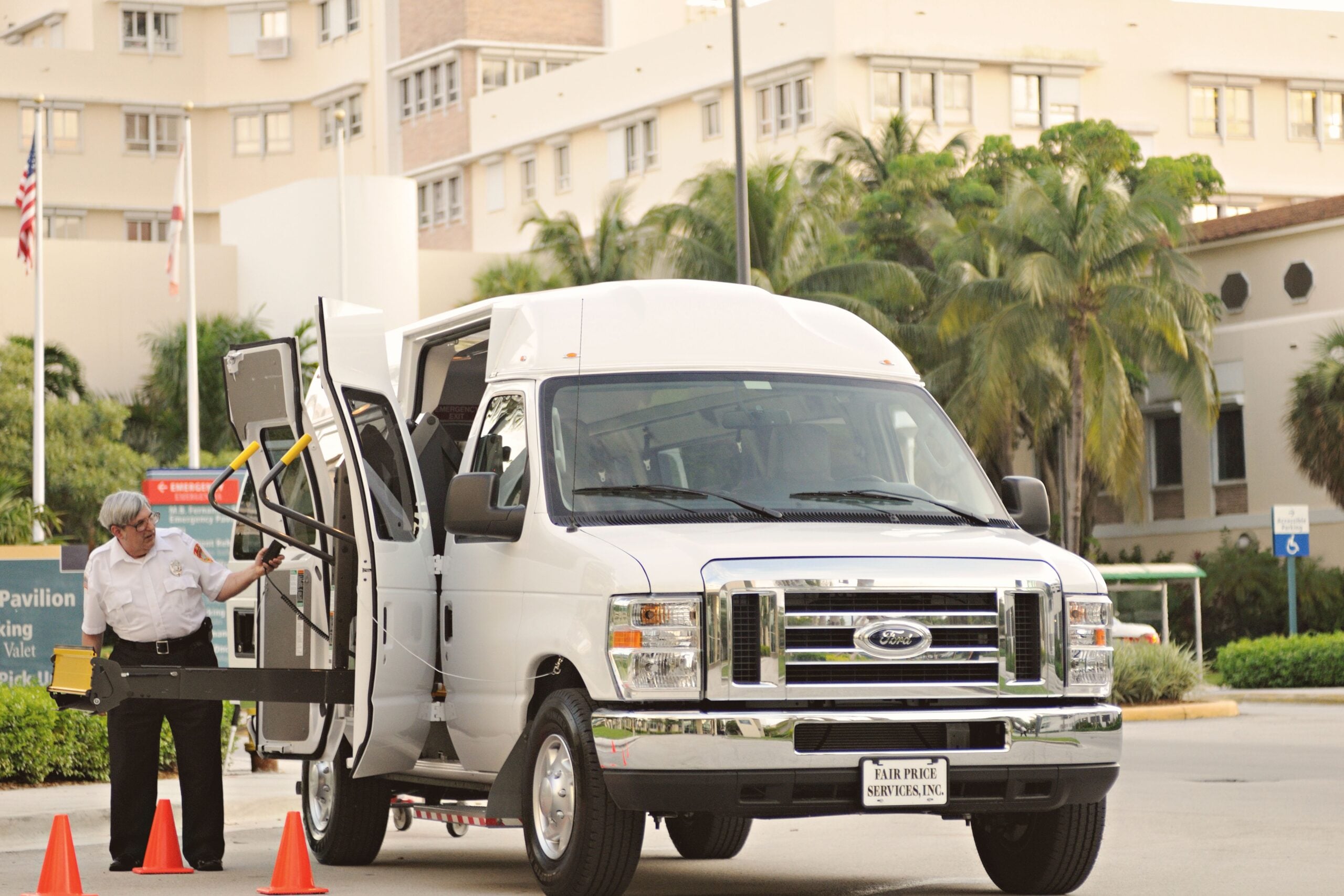
Your driveway serves as the primary loading zone, so it needs to accommodate specialized vehicles. Wheelchair-accessible vans require extra width to deploy side ramps or rear lifts safely. Try to create a designated parking pad that is flat, wide, and directly connected to your main pathway.
The surface material plays a huge role in daily usability. Gravel or crushed stone driveways are incredibly difficult to roll over, often causing wheels to sink or get stuck in the rocks. Paving your driveway with concrete or asphalt provides a firm, reliable surface that makes transferring in and out of vehicles a breeze. If a full paving job isn’t in the budget right now, consider pouring a simple concrete strip just in the main loading and unloading area to give the wheelchair a solid base to roll on.
Tackling Thresholds and Doorways
Getting onto the porch is only half the battle; you still have to get through the front door. Most standard exterior doors are too narrow to comfortably accommodate a wheelchair. Widening the doorway to at least thirty-two inches gives you the clearance needed to roll through without scraping your knuckles on the doorframe. If tearing into the wall isn’t an option at the moment, installing swing-clear offset hinges can sometimes add an extra inch or two of clearance by pushing the door completely out of the frame when opened.
You also need to look down at the threshold. That small bump at the bottom of the doorframe often stops front caster wheels dead in their tracks. Installing a zero-step entry or a small rubber threshold ramp smooths out that transition, allowing the chair to glide seamlessly from the porch into the hallway.
Upgrading Exterior Lighting
When you’re rolling down a ramp or navigating a driveway, visibility is crucial. Shadows hide cracks, wet leaves, and uneven pavement. Upgrading your outdoor lighting is one of the easiest and most cost-effective ways to improve exterior safety.
Install motion-sensor lights along the primary pathways and directly above the ramp. This ensures the route is always brightly lit the moment you step outside, without forcing anyone to fumble around for a light switch in the dark. Smart lighting systems connected to your phone are also a great investment, allowing you to turn on the porch lights from the car before you even pull into the driveway.
Adding Non-Slip Surfaces and Weather Protection
Rain, snow, and morning dew turn smooth surfaces into a serious slipping hazard for tires and walking companions alike. To combat this, treat your pathways, ramps, and porch floors with non-slip coatings. You can mix anti-slip additives into exterior paint or stain, creating a slightly textured surface that grips rubber tires securely.
If you live in an area prone to ice and snow, investing in heated mats designed for walkways melts away winter hazards before they have a chance to accumulate. It saves you the trouble of shoveling and protects the integrity of your concrete and wooden ramps from harsh de-icing chemicals. Adding an awning or a longer roof overhang above the ramp also helps keep the surface dry during rough weather.
Transform Your Home to Be Accessible
Making the outside of your home wheelchair accessible takes time, effort, and a bit of investment, but the payoff is immeasurable. It transforms a frustrating daily challenge into a seamless, stress-free routine. You get to maintain your independence, easily welcome guests, and leave the house with confidence. By addressing the grading of your pathways, widening the entryways, and prioritizing clear visibility, you turn your home into a truly welcoming space right from the curb.




When my father needed a walker, I suddenly noticed every small lip at our doorways. The article’s suggestion to focus on a gradual slope rather than a ramp is spot-on—sometimes a subtle change makes the biggest difference.
nano-banana2