Most drivers assume that a minor fender bender means minor damage — a cracked bumper, maybe a scratched panel, and nothing more. But the reality is more complicated. Frame damage can and does occur from low-speed collisions, and skipping a proper inspection afterward can lead to serious long-term problems.
What Counts as “Minor”?
A minor accident typically involves a low-speed impact — a parking lot collision, a rear-end tap at a stoplight, or a slow-speed sideswipe. The visible damage often looks manageable. Paint scuffs, a dented bumper, perhaps a misaligned panel. Easy enough to dismiss.
Here’s the problem: what you see on the surface doesn’t always reflect what’s happening underneath.
How Frames Get Damaged in Low-Speed Collisions
Modern vehicles are engineered with crumple zones — sections of the frame designed to absorb and redirect energy during a crash. This is a safety feature, and it works. But it also means that even a relatively gentle hit can cause the frame to absorb and deform in ways that aren’t immediately visible.
The force of an impact doesn’t distribute evenly. It travels through the vehicle’s structure, and depending on the angle, speed, and point of contact, that energy can warp, bend, or compress sections of the frame that look perfectly fine from the outside.
Older vehicles with body-on-frame construction can also be vulnerable. While they tend to be more rigid, that rigidity means stress concentrates at specific points rather than spreading out — which can result in cracking or bending at those locations.
Why This Matters More Than You Might Think
A compromised frame affects far more than the car’s structural integrity. It can throw off wheel alignment, cause uneven tire wear, and affect how the vehicle handles — especially in emergency situations. Suspension components may no longer sit at the correct angles. Doors might not close cleanly. Over time, small misalignments compound into bigger mechanical issues.
There’s also the safety concern. A vehicle’s ability to protect its occupants in a future collision depends significantly on the frame being in proper condition. A frame that’s already bent or weakened won’t perform the way it was designed to.
The Case for Frame Straightening
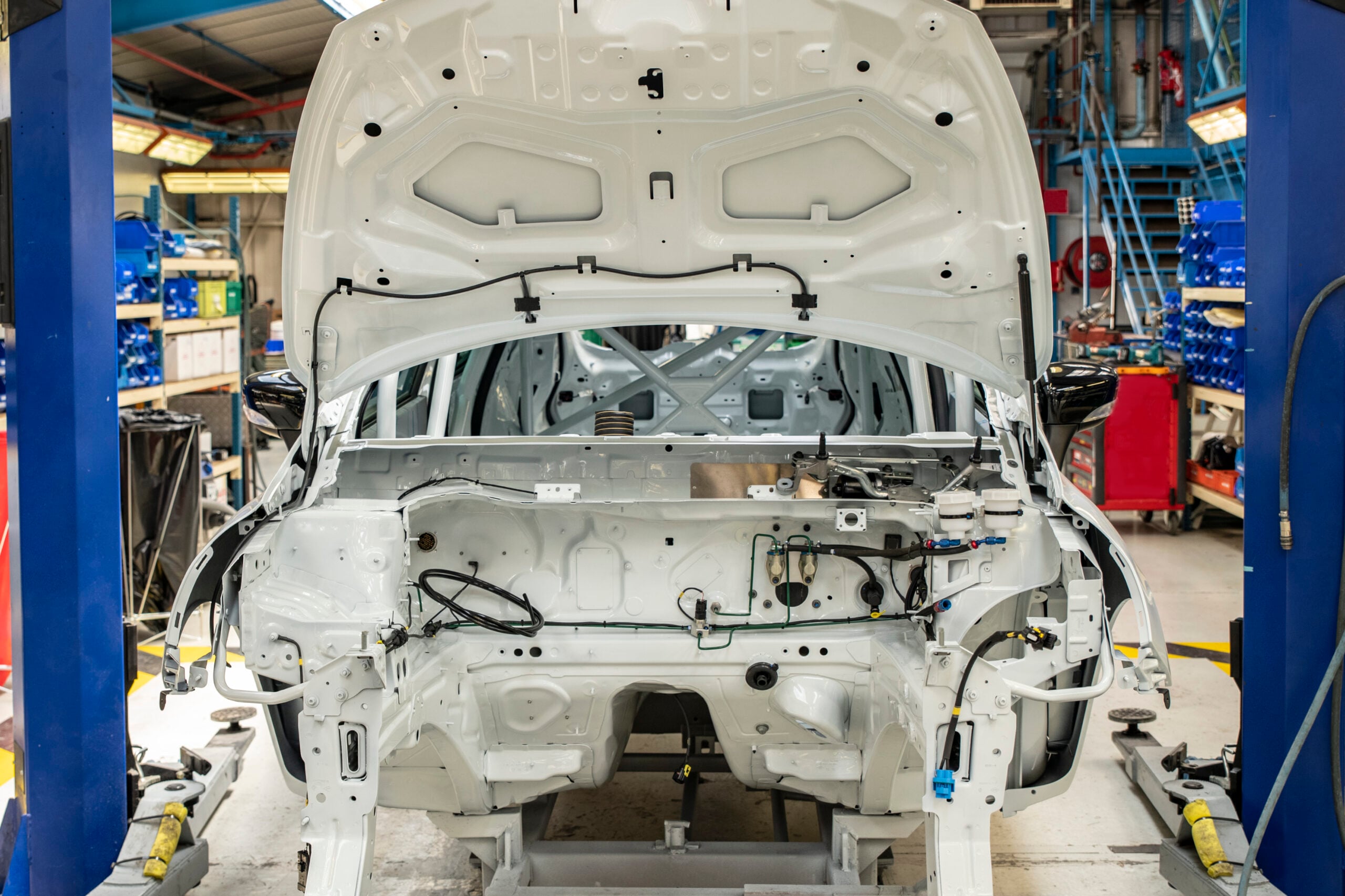
Frame straightening is the process of using specialized equipment to restore a vehicle’s frame to its factory specifications. Technicians use precision measuring systems to identify exactly where deformation has occurred, then apply controlled force to bring the metal back into alignment.
This isn’t a cosmetic fix — it’s a structural repair. When done correctly, frame straightening restores how the vehicle handles, protects, and performs. It also ensures that alignment and suspension geometry are restored to spec, which protects your tires and your driving experience.
Skipping this step — or assuming a minor accident couldn’t have caused frame damage in the first place — is a gamble. The cost of addressing frame issues early is almost always lower than dealing with the cascade of problems that follow from driving on a compromised structure.
What You Should Do After Any Collision
Even if an accident seems minor, getting a professional inspection is the smart move. A qualified collision repair shop can assess whether any frame damage occurred and determine whether frame straightening is necessary. Relying on a visual check alone isn’t enough.
Here’s a quick checklist for after a collision:
- Have the vehicle inspected by a certified collision repair professional
- Don’t assume damage is limited to what’s visible
- Ask specifically about frame integrity, not just cosmetic damage
- Address any issues before returning the vehicle to regular use
A minor accident can have major consequences when it comes to your vehicle’s frame. Taking it seriously from the start is always the better choice.