Selling a new housing development involves much more than just advertising square footage and floor plans. You’re selling a lifestyle, a tight-knit community, and a bright future. When prospective buyers start searching for their next home, their very first stop is the internet. If your digital presence feels outdated or confusing, they’ll quickly move on to the next subdivision down the street.
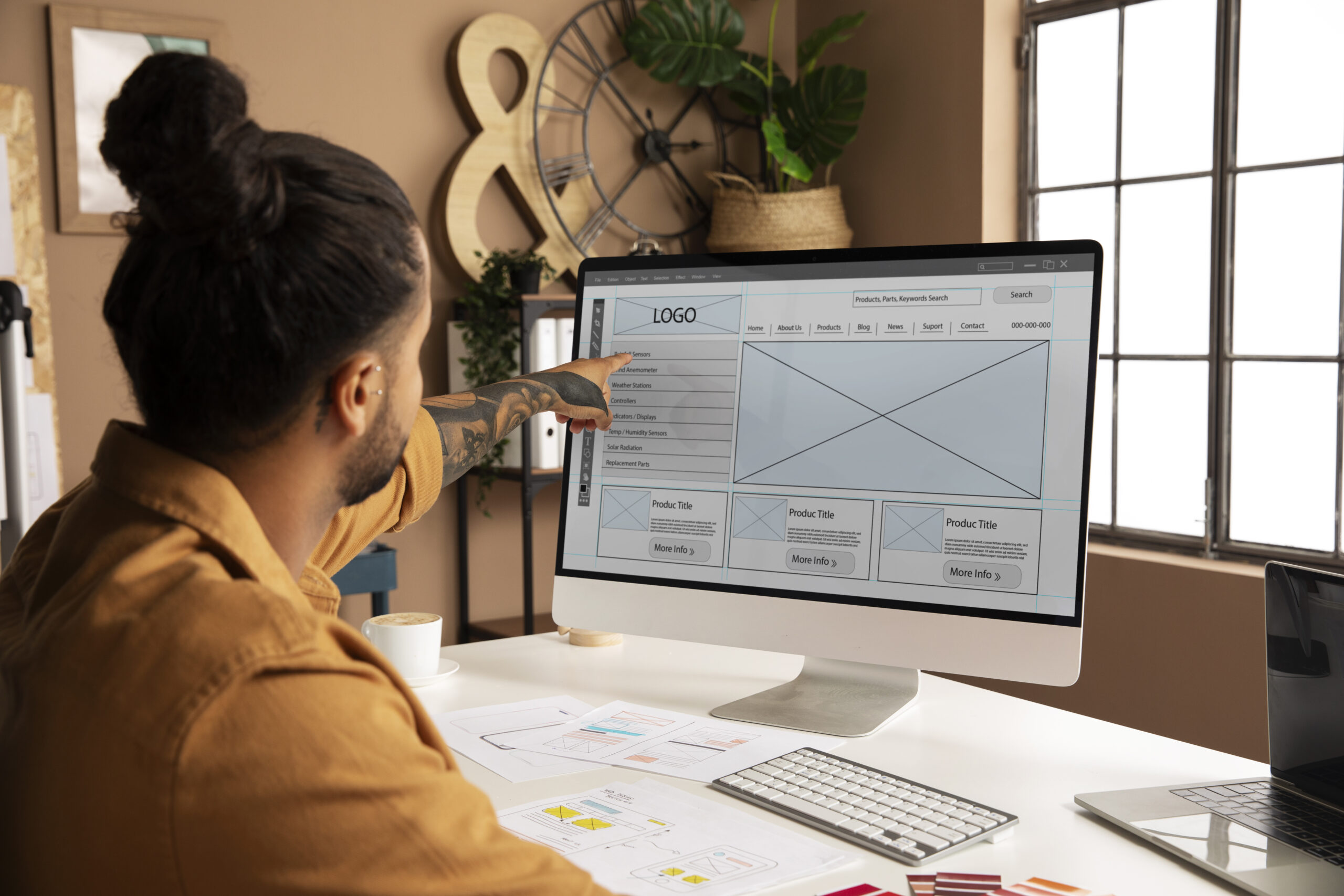
To truly capture their attention and highlight the best features of your development, investing in a new site design is a crucial first step. A well-crafted digital platform serves as your twenty-four-hour sales center. It guides visitors through the neighborhood’s unique charm before they ever set foot on the actual pavement. Let’s explore exactly how to structure a website that effectively highlights your new neighborhood and turns casual digital browsers into eager future residents.
Lead With the Lifestyle
When families look for a place to live, they aren’t just looking at the siding and the roof. They’re picturing morning walks with the dog, summer afternoons at the community pool, and block parties with the neighbors. Your website needs to capture this specific feeling immediately. Start by placing high-quality video footage right at the top of your homepage. Drones sweep over the green spaces, clips of families enjoying the local parks, and sunrises over the streetscapes set a welcoming tone. Ditch the boring, text-filled introductions and let the visuals do the talking. When buyers can easily picture their own family thriving in the space, you’ve already won half the battle.
Build an Interactive Plot Map
One of the most frustrating things for a homebuyer is trying to figure out which lots are actually available and where they sit within the community. A flat, static PDF map just doesn’t cut it anymore. You need an interactive site map that lets users hover over individual lots to see the exact size, price, and current building status. If a lot sits right next to a walking trail or backs up to a private pond, the interactive map should clearly highlight those premium selling features. Giving buyers the power to explore the neighborhood layout from their living room keeps them engaged on your page longer. It helps them feel a sense of ownership over a specific plot of land before they even call your sales team.
Showcase the Local Amenities
A great neighborhood doesn’t exist in a vacuum. The surrounding area is often just as important as the houses themselves. Create a dedicated section on your website that spotlights the local community. Parents immediately want to know about the school district, so feature the local elementary and high schools prominently. Highlight the proximity to grocery stores, popular coffee shops, and major commuting highways. If your new development features built-in amenities like a clubhouse, a fitness center, or private tennis courts, give those perks their own dedicated landing page. Clearly listing these conveniences proves to potential buyers that your neighborhood offers everything they need for a comfortable, easy daily routine.
Streamline Floor Plans and Pricing
While selling the dream is important, buyers still need the practical details. They need to know if the homes fit their budget and their family size. Don’t make them dig through complex menus to find the floor plans. Create a clean, intuitive gallery where users can easily filter homes by square footage, the number of bedrooms, and the price range. Include virtual 3D tours for your model homes so out-of-town buyers can virtually walk through the space. Be transparent about your starting prices. Hiding the cost only frustrates serious buyers and wastes your sales agents’ time dealing with unqualified leads. Clear, accessible information builds instant trust with your audience.
Prioritize the Mobile Experience
Picture this scenario: a couple is driving around looking at open houses on a Sunday afternoon. They drive past your community’s entrance sign, pull over, and pull up your website on their smartphones. If your site takes forever to load or forces them to pinch and zoom just to read the text, they’ll just put the car in drive and leave. Real estate searches are predominantly done on mobile devices. Your layout must be highly responsive, ensuring the menus are easy to tap, the videos load quickly, and the contact forms are simple to fill out on a small screen. An effortless mobile experience caters to those spontaneous, drive-by shoppers who often turn into your best leads.
Make Reaching Out Effortless
The ultimate goal of your digital platform is to capture contact information. Every single page should feature a clear, compelling call to action. Whether it’s a button to schedule a private tour, a prompt to download a neighborhood brochure, or a simple form to join the VIP mailing list, reaching out should be effortless. Don’t overwhelm users with a form that asks for twenty different details. Just ask for their name, email, and phone number. Place a contact button at the bottom of the screen so it follows them as they scroll. The easier you make it for them to raise their hand and show interest, the faster you’ll sell out your new development.