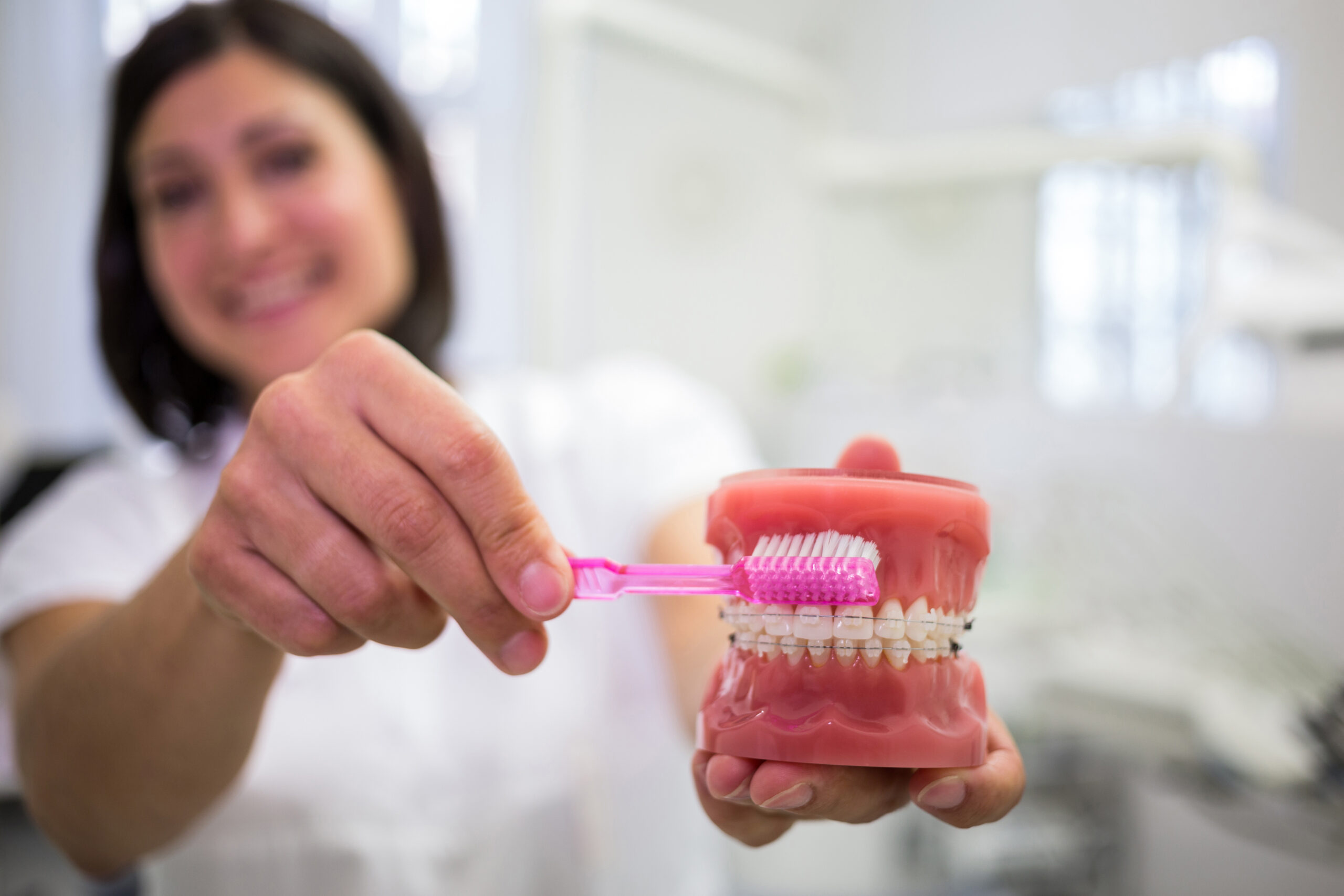
Getting your smile back is a massive relief, but walking out of the clinic is really just the beginning of the relationship with your new appliance. A removable prosthetic is a serious financial investment. If you want your partial dentures to last for years without warping, smelling, or suddenly fitting poorly, you have to completely overhaul your nightly bathroom routine.
You cannot treat acrylic and metal clasps the same way you treat natural tooth enamel. The materials are entirely different, and applying standard brushing habits to a prosthetic will actively destroy it. If you want to keep your appliance looking brand new and fitting snugly against your gumline, here is exactly how to clean, handle, and store your teeth at home.
Establishing a SafeDrop Zone
The most dangerous moment for your appliance is the exact second you take it out of your mouth. Bathrooms are full of incredibly hard surfaces. If your fingers are wet and you drop the prosthetic onto a solid porcelain sink basin or a tile floor, the acrylic base will almost certainly fracture, or the metal clasps will bend completely out of alignment.
Before you ever unclip the appliance, you need to establish a designated safe zone. Lay a thick, folded hand towel directly over the edge of the sink, or simply fill the sink basin halfway with warm water. If the appliance slips out of your hand while you are brushing it, it hits a soft towel or a pool of water instead of shattering on the porcelain. It is a tiny preventative step that saves you from an emergency repair bill.
Ditching the Standard Toothpaste
This is the most common mistake new wearers make. It feels entirely logical to put regular mint toothpaste on a brush and scrub the appliance, but you are actually doing damage every time you do it. Natural tooth enamel is incredibly hard, so standard toothpaste contains harsh abrasives to scrub away plaque.
The acrylic base of your appliance is much softer than natural enamel. When you scrub it with regular toothpaste, those abrasives carve thousands of microscopic scratches into the pink acrylic and the artificial teeth. Over time, these scratches become a trap for bacteria and dark food stains. The appliance will start to look dull, turn yellow, and develop a permanent bad odor. Instead of toothpaste, use a soft-bristled brush specifically designed for prosthetics and clean the appliance with a mild, clear dish soap or a dedicated non-abrasive foam cleanser.
The Mandatory Nightly Soak
Acrylic is a porous material that relies on constant moisture to maintain its exact structural shape. When the appliance is in your mouth, your natural saliva keeps it perfectly hydrated. But when you take it out to sleep, leaving it sitting dry on the bathroom counter is a recipe for disaster.
If the acrylic dries out completely, it warps. Even a fraction of a millimeter of warping means the rigid metal clasps will no longer line up with your anchor teeth, and the base will dig painfully into your gums the next morning. You must keep the appliance submerged in liquid whenever it is not in your mouth. You can use plain tap water or a dedicated overnight soaking solution. Just ensure the water is room temperature; dropping the appliance into boiling or extremely hot water will also melt and warp the plastic base.
Protecting the Anchor Clasps
Because you are wearing a partial, your appliance relies on metal or flexible acrylic hooks that grab onto your remaining natural teeth. These clasps are the most fragile structural component of the entire piece. When you are cleaning the appliance, you have to be incredibly gentle around these specific anchor points.
Never use a stiff brush to aggressively scrub the metal, and never grab the appliance by the clasps when you are taking it in and out of your mouth. Always grip the thick plastic base. If you bend a metal clasp even slightly during your cleaning routine, it will grind aggressively against your natural anchor tooth the next day, potentially damaging your remaining healthy enamel or causing the prosthetic to fall out when you speak.
Organizing Your Storage Space
Proper storage is about more than just keeping the appliance dry; it is about keeping it completely safe from the rest of your household. You cannot just leave a soaking cup sitting out in the open next to the hand soap.
- The Pet Threat: Household pets are notoriously attracted to dental appliances. To a dog, a piece of acrylic that smells like your saliva is the ultimate chew toy. A dog can completely destroy a thousand-dollar prosthetic in roughly ten seconds.
- Airborne Bacteria: Leaving a glass of water sitting out in the open exposes the soaking solution to airborne bathroom bacteria and aerosolized particles.
You need a dedicated storage system. Buy a hard-sided, lidded denture bath that snaps completely shut. Fill it with your soaking solution, place your teeth inside, close the lid securely, and store that container inside a high medicine cabinet or a closed vanity drawer. Keeping it locked away and out of sight protects the appliance from pets, accidental spills, and gross bathroom contaminants.
Care for Your Partial Dentures
Taking care of a removable prosthetic requires a highly specific, disciplined routine. By keeping the acrylic hydrated, avoiding harsh abrasives, and organizing a secure storage space out of reach of pets, you aggressively protect your investment. A few extra minutes of careful handling every single night ensures your smile stays bright, smells fresh, and fits your mouth perfectly for years to come.