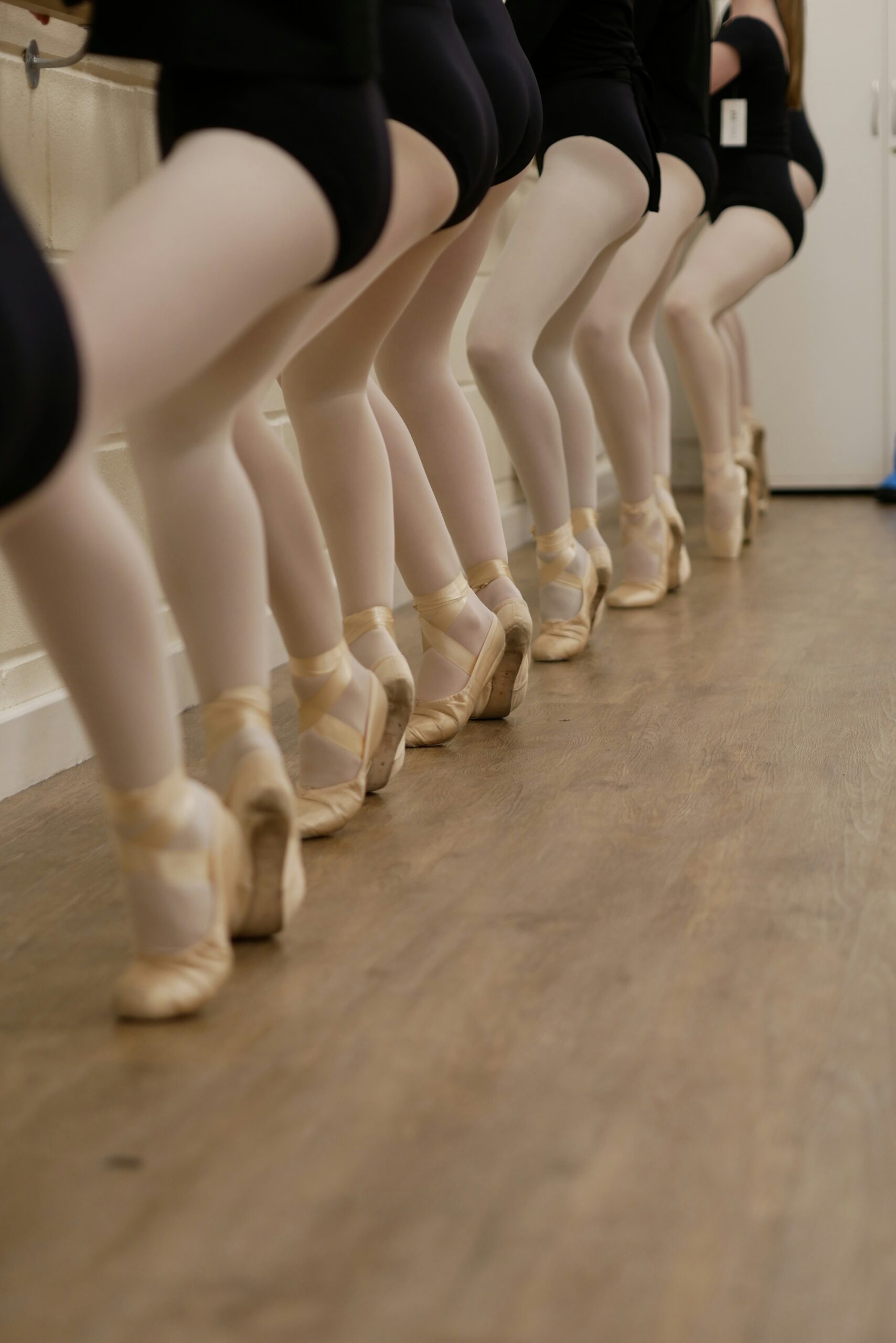
Finding the right ballet school for a young child feels like a high-stakes decision. You aren’t just looking for a place to burn off energy; you are looking for an environment that fosters coordination, confidence, and a genuine love for movement. For many parents, the search begins when they notice their little one spinning in the kitchen or trying to stand on their tiptoes. This is the perfect window to start looking at ballerina classes for toddlers at a studio setting, where the focus is on developmental milestones rather than rigid discipline.
However, not every studio with a barre and a mirror is created equal. To ensure your child has a positive first experience, you need to look beyond the “cute” factor and evaluate the actual substance of the program.
The “Floating Floor” Factor
One of the most overlooked aspects of a dance studio is the ground beneath the dancers’ feet. Traditional ballet involves jumping and landing, which puts significant pressure on developing joints. A reputable studio should always have a “sprung” or “floating” floor.
A sprung floor is a subfloor system that absorbs shock and provides a consistent “give.” If a studio is teaching on top of concrete, tile, or even simple hardwood laid directly over a slab, it increases the risk of shin splints and long-term joint fatigue. When you tour a space, don’t be afraid to ask about the floor construction. Professional-grade Marley (a specialized vinyl overlay) is the gold standard for providing the right amount of grip without being sticky.
Qualifications Over Titles
It is a common misconception that a great dancer is naturally a great teacher. While professional performance experience is impressive, teaching a three-year-old requires a completely different skill set than performing Swan Lake.
Look for instructors who have specific training in early childhood dance pedagogy. Toddlers don’t learn through abstract technical corrections; they learn through imagery, storytelling, and rhythm. A teacher who understands how to channel a toddler’s natural imagination into “creative movement” is far more valuable at this stage than a strict technician. According to the National Dance Education Organization (NDEO), early childhood standards focus on the “whole child,” integrating cognitive and social growth with physical skills.
The Curriculum of Joy
At the toddler level, a ballet class shouldn’t look like a rehearsal for the Bolshoi. Instead, it should look like a series of structured games that secretly teach the fundamentals of the art form.
A quality toddler curriculum will prioritize:
- Proprioception: Helping children understand where their bodies are in space.
- Bilateral Integration: Learning to move both sides of the body in coordination.
- Social Etiquette: Taking turns, following directions, and working within a group.
- Musicality: Distinguishing between different tempos and rhythms.
If the class seems overly focused on “perfect” foot placement or silent standing, it might be too advanced for a toddler’s developmental stage. You want to see a balance between “serious” skill-building and joyful exploration.
Observation and Transparency
As a parent, you want to know what’s happening in the classroom without becoming a distraction. Look for studios that offer observation windows, one-way mirrors, or live video feeds in the lobby. This transparency shows that the school is confident in its teaching methods and its treatment of students.
Furthermore, pay attention to the “vibe” of the lobby. Are the older students friendly? Is the staff organized? A studio with a healthy culture will have a sense of camaraderie that trickles down from the advanced dancers to the tiniest beginners. You can often get a sense of this by checking out the National Museum of Dance, which provides resources on the history and community of dance, helping parents understand the broader culture their child is joining.
Trial Classes and Expectations
Most high-quality studios will allow you to observe or take a trial class before committing to a full semester. This is the best way to see how your child reacts to the teacher’s style. Some children are natural “joiners,” while others may need to sit on the sidelines for three weeks before they feel comfortable enough to participate. A good teacher will accommodate both types of learners without pressure.
It’s also worth noting the performance philosophy of the school. Some studios are “competition-heavy,” which can lead to high costs and high stress even for younger ages. For a toddler, look for a school that emphasizes a “token” end-of-year recital—a low-pressure opportunity to show off what they’ve learned to family and friends.
Selecting a studio is about finding a “third space” for your child—a place outside of home and school where they feel seen, challenged, and supported. When you find that perfect match of professional facilities and nurturing instruction, ballet becomes more than just a weekly activity; it becomes a foundation for a lifetime of grace and discipline.