A designer walks into a stone slab yard looking for the right piece of marble or quartzite. They have a mood board, a countertop layout, and a particular vein pattern in mind. Somewhere in the racks, the ideal slab may be waiting. Finding it is only part of the challenge. Getting it safely into position for viewing requires workers who understand how to handle large, heavy, and potentially unstable materials.
The designer chooses what looks right. The equipment operator and yard crew determine how, and whether, a particular slab can be moved safely. That division of responsibility matters because stone slab handling can be dangerous. OSHA has documented fatal incidents involving the handling and storage of stone slabs, including workers crushed by falling or shifting material.
The Designer Sees the Pattern; the Operator Sees the Load
Designers examine stone for color, veining, finish, and consistency. They may want to compare several slabs from the same bundle or inspect how two pieces could work together across a kitchen island.
The operator approaches the same request differently. Before moving a slab, the crew must consider its weight, dimensions, stability, storage arrangement, and the equipment available to handle it. A piece that looks easy to access may be positioned behind other slabs or secured within a storage system.
Moving it could require additional handling, a different lifting attachment, or changes to the work area. Sometimes the safest answer is to delay the request until the appropriate equipment and personnel are available.
Forklift Training Is One Part of Slab Yard Safety
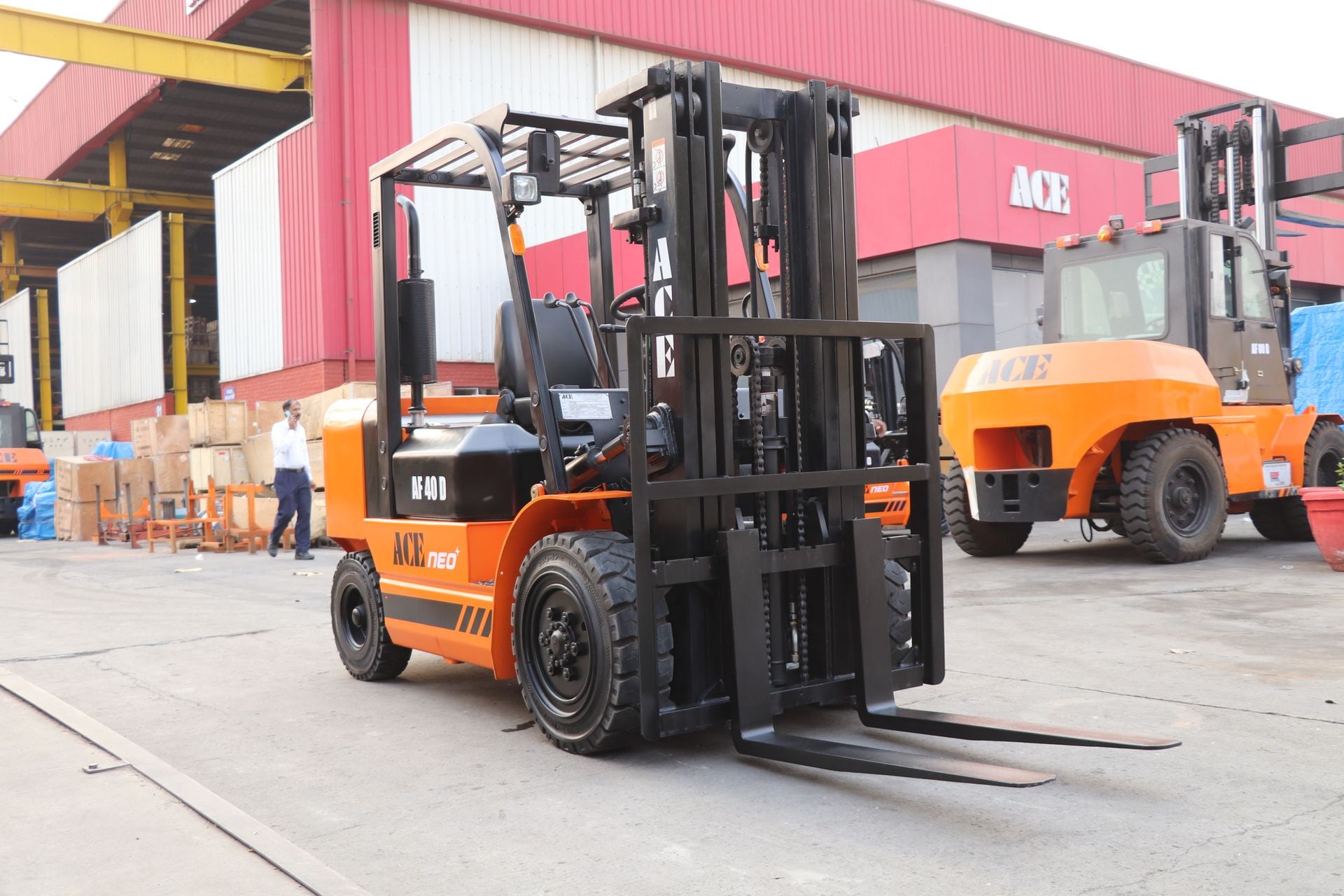
Stone yards may use forklifts equipped with approved attachments, overhead cranes, hoists, or other specialized material-handling systems. The equipment involved determines which training and safety requirements apply.
For forklifts covered by OSHA’s powered industrial truck standard, operators must receive formal instruction, practical training, and an evaluation of their performance. Employers must also ensure operators are trained for the equipment and workplace conditions involved.
Maintaining accurate forklift certification records helps employers document those qualifications.
However, training on a standard forklift doesn’t automatically qualify an employee to use every slab-handling attachment or operate a crane. Different equipment and lifting arrangements may require additional instruction and procedures.
A yard with appropriately trained personnel can plan material movements more efficiently without relying on shortcuts.
The Viewing Area Has to Stay Clear
A slab being lifted or repositioned presents hazards that aren’t always obvious to visitors. Stone can shift unexpectedly if it isn’t properly secured or supported. Workers may also face crushing hazards near storage racks, lifting equipment, and adjacent slabs.
Industry publications such as Stone World discuss safe slab-handling practices, including the importance of trained personnel and controlled lifting operations.
The specific procedures depend on the equipment, load, and storage arrangement. Yards should establish appropriate exclusion areas and keep customers away from active lifting operations.
That may mean a designer has to wait while a slab is moved to a designated viewing position rather than standing beside the equipment.
A visitor shouldn’t enter a restricted work area simply to get a better look at a vein pattern.
The Slab’s Position Changes the Schedule
Not every piece of stone can be displayed immediately. A slab near the front of an accessible rack may be relatively straightforward to retrieve. Another piece might be positioned behind several others, requiring additional movements before it can be viewed.
Those movements must account for the stability of the remaining slabs and the requirements of the storage system. The process may also involve transferring stone to a suitable viewing rack or another location where customers can examine it without entering an active handling area.
Designers can make visits more productive by sharing their preferences in advance. Providing material type, approximate dimensions, thickness, and a shortlist of preferred slabs gives the yard an opportunity to plan the viewing. It doesn’t eliminate every delay, but it can reduce unnecessary handling and help the crew prepare.
The Best Selection Process Respects Both Jobs
The designer’s expertise determines which stone works for the project. The yard crew’s expertise determines how that stone can be presented and moved without creating unnecessary risk. Neither responsibility replaces the other.
A well-run slab yard makes room for both by maintaining trained operators, suitable equipment, organized storage, and clear procedures for customer visits.
The result isn’t necessarily the fastest possible tour. It’s a selection process that gives the designer a useful view of the material while protecting the people responsible for moving it.
The eye makes the final choice. The handling plan makes that choice possible.