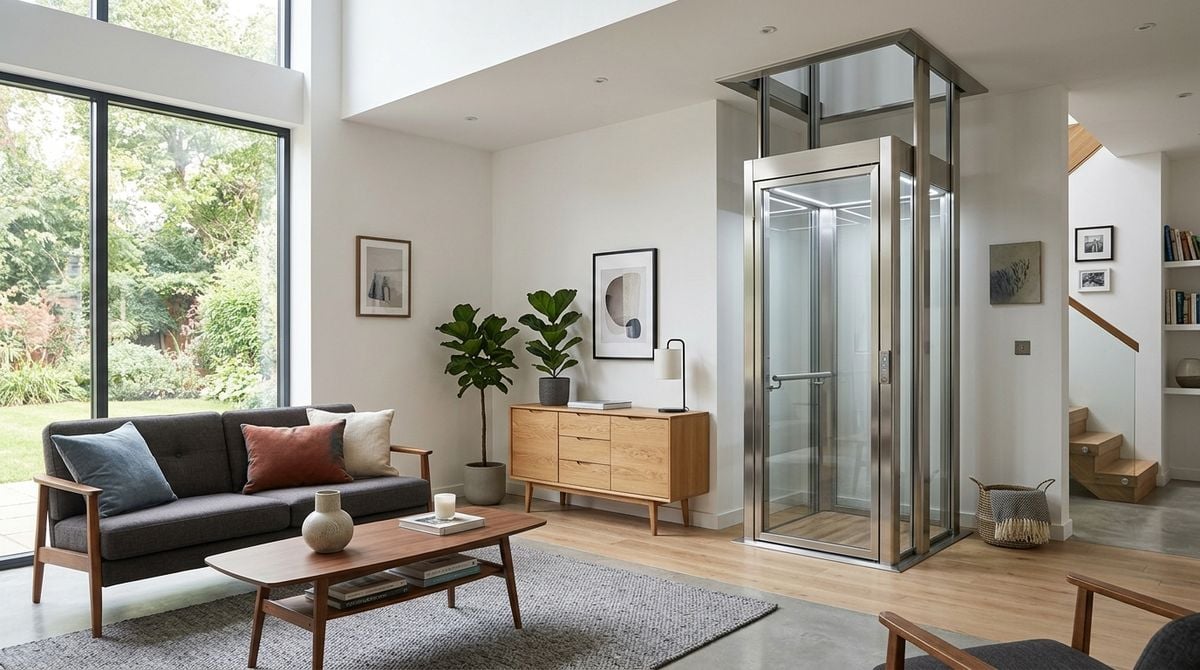
Minimalism, in its most authentic form, is not merely about empty spaces or a stark aesthetic. It is a deliberate, thoughtful practice of removing the unnecessary so that what remains can flourish. For many of us, our living environments have become crowded with objects that no longer serve a purpose, hindering our ability to rest, create, and find true contentment. Simplifying your home is an exercise in reclaiming your time and mental energy, allowing you to focus on the pursuits that truly matter.
The Philosophy of Intentional Space
To cultivate an intentional space, one must first shift the perspective from accumulation to curation. Every item in your home should hold a place of purpose, beauty, or genuine necessity. This does not mean you must discard everything you own, but rather that you evaluate the role each object plays. Minimalism is about creating breathing room, both physically and metaphorically.
When you stop viewing your home as a storage unit for potential future uses, you begin to see it as a container for your present life. This shift allows you to let go of items that represent a past version of yourself or a projected future you never reached. The goal is to design a living environment that supports your daily rituals, fosters quiet reflection, and provides a restorative sanctuary from the complexities of the outside world.
Evaluating Your Current Living Environment
Begin by observing how you move through your home during a typical day. Pay attention to the areas where you feel most at ease and the corners that seem to collect clutter effortlessly. Does the layout of your furniture encourage conversation and rest, or does it create obstacles? Often, we adapt our lives to the limitations of our space without realizing that we have the power to change that environment.
If you find that your current living situation no longer aligns with your needs or aspirations, it is worth reflecting on what you truly require from your home. Perhaps you need more light, better flow, or a different setting entirely to support your minimalist lifestyle. For those exploring the possibility of finding a home that better suits their vision, exploring resources such as studioroom906.com can provide a broader perspective on the types of properties that might better facilitate the life you are aiming to build.
Curating Possessions for a Lighter Life
The process of downsizing your possessions should be done with patience. It is rarely beneficial to attempt a complete purge in a single day, as this often leads to decision fatigue and unnecessary stress. Instead, approach decluttering room by room, focusing on identifying what truly adds value to your life.
When assessing personal items, consider the utility and joy they provide. If an item is rarely used, consider whether it is worth the space it occupies. This principle applies equally to your wardrobe. Regularly reviewing your clothing is essential to maintaining a minimalist, functional closet that adapts well to changing weather. For practical advice on managing this aspect of your life, you might refer to our guide on seasonal clothing shopping, which offers a structured way to think about maintaining only what you truly need.
- Start with a single drawer or surface to build momentum.
- Separate items into categories: keep, donate, or recycle.
- Avoid the temptation to replace discarded items immediately.
- Create designated homes for the items you choose to keep.
- Practice the habit of evaluating new acquisitions carefully.
Navigating the Search for Better Alignment
Sometimes, despite our best efforts to simplify, the home itself may be the primary barrier to tranquility. It might be too large, too small, or poorly suited for the lifestyle you wish to lead. When you reach a point where you realize that a change of setting is necessary, it is helpful to seek structured advice to ensure your next step is a wise one. There is significant value in learning about the complexities of property, from understanding market nuances to evaluating long-term suitability.
Navigating the real estate landscape can be challenging, and finding trusted sources for information is vital. For anyone at the crossroads of deciding on their living environment, finding informed guidance can be a major step in making a transition that aligns with a simpler, more intentional life. Consultants and resources like Realestateguidance.org can be useful for gathering information that helps you understand your options and make decisions that are well-considered and appropriate for your specific goals.
Maintaining Harmony in Your Minimalist Home
Once you have created a simpler, more intentional space, the ongoing practice of maintenance is what keeps that harmony alive. Minimalism is not a destination, but a continual process of adjustment. It requires a mindful approach to what you bring into your home and a gentle discipline in how you care for the space you have curated.
Small, daily actions—such as clearing surfaces before bed, putting away items immediately after use, and periodically reassessing your belongings—are far more effective than periodic, overwhelming cleaning sessions. This routine maintenance keeps your environment feeling open and refreshed. By keeping your home aligned with your intentions, you ensure that it remains a supportive background for your life rather than a source of stress or distraction. When you strip away the excess, you are left with the freedom to fully inhabit your home and enjoy the quiet clarity that minimalism provides.