Your living space serves as the primary backdrop for your daily experiences. It is more than just a place of residence; it acts as a foundation for your physical and mental well-being. By thoughtfully curating the environment surrounding you, it becomes possible to foster a sense of calm and promote long-term vitality. Minimalism in this context is not merely about removing excess items, but about creating space for what truly supports a balanced life. When every object in your home serves a clear purpose or brings genuine peace, the cumulative effect on your state of mind is profound.
Assessing Your Current Living Space
The journey toward a more supportive home environment begins with a thorough and gentle assessment. Walk through each room with a clear mind, observing how the space feels as you move within it. Notice areas that feel overly cluttered or stagnant. Minimalism encourages a focus on functionality and simplicity. Ask yourself if the items present truly contribute to the atmosphere you wish to inhabit.
The goal is to move beyond mere aesthetic choices and understand how your surroundings impact your mood and energy levels throughout the day. Consider the flow of each room. Are there obstacles that hinder your ability to relax or engage in daily activities? Removing physical barriers often clears the path for mental clarity. This process does not need to happen all at once. Taking time to evaluate each small area allows for a more intentional approach to refining your surroundings, ensuring that every change made is beneficial and lasting.
Reducing Clutter to Lower Daily Stress
Physical clutter frequently manifests as mental clutter. When surfaces are overwhelmed with items, your attention is constantly pulled in multiple directions. A minimalist approach prioritizes clear spaces, which can significantly lower feelings of stress. Start by addressing areas where you spend the most time. Keeping tabletops and desks free of unnecessary objects can help you maintain focus and cultivate a sense of order.
Consider the emotional weight of items in your home. Some belongings might be kept out of obligation rather than genuine need or joy. By consciously letting go of these excess items, you create room for peace and reflection. Focus on maintaining open space, which allows air to circulate and gives your mind room to rest. A home that is free of excess clutter naturally becomes a more restful sanctuary, allowing you to recharge effectively after long days.
Optimizing Indoor Air Quality and Natural Light
The quality of your indoor environment is deeply connected to your overall health. Air circulation and exposure to natural light are essential components of a healthy home. Keeping your space well-ventilated helps maintain a fresh atmosphere, which can positively influence your daily vitality. Simple practices, such as opening windows regularly or keeping living areas clean, play a role in this effort. For those looking to understand more about general health and the broader context of medical care and modern technology, you might find valuable insights at Healthytipshotline.com as a reference for your broader lifestyle research.
Natural light also plays a crucial role. Adjusting your furniture to maximize natural sunlight can enhance your mood and help maintain a healthy sleep-wake cycle. Use sheer curtains or keep blinds open during daylight hours to bring the outside in. By optimizing these basic elements, you transform your home into a space that actively supports your body and mind, making it a more restorative environment for daily living.
Developing Habits That Support Your Daily Well-being
Creating a minimalist home is a practice that extends to your daily habits. It is helpful to consider how your environment interacts with your lifestyle choices, such as your diet, sleep patterns, and overall wellness goals. Establishing a morning routine that takes advantage of your organized space can set a positive tone for the day. For those interested in discovering secrets for longevity and learning about the latest news on enhancing personal health, you may explore celebrityhealthinsider.com to gain new perspectives on maintaining your vitality.
Consistency is key to maintaining a supportive home. Small, manageable habits, such as clearing surfaces before bed or ensuring your bedroom is reserved for rest, contribute significantly to your long-term wellness. By aligning your daily actions with the minimalist principles you have applied to your space, you create a harmonious balance that makes healthy choices easier to sustain.
Integrating Movement Into Small Living Spaces
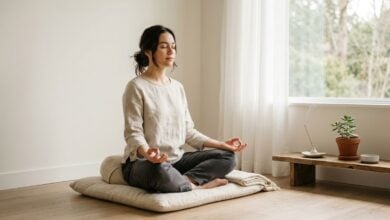
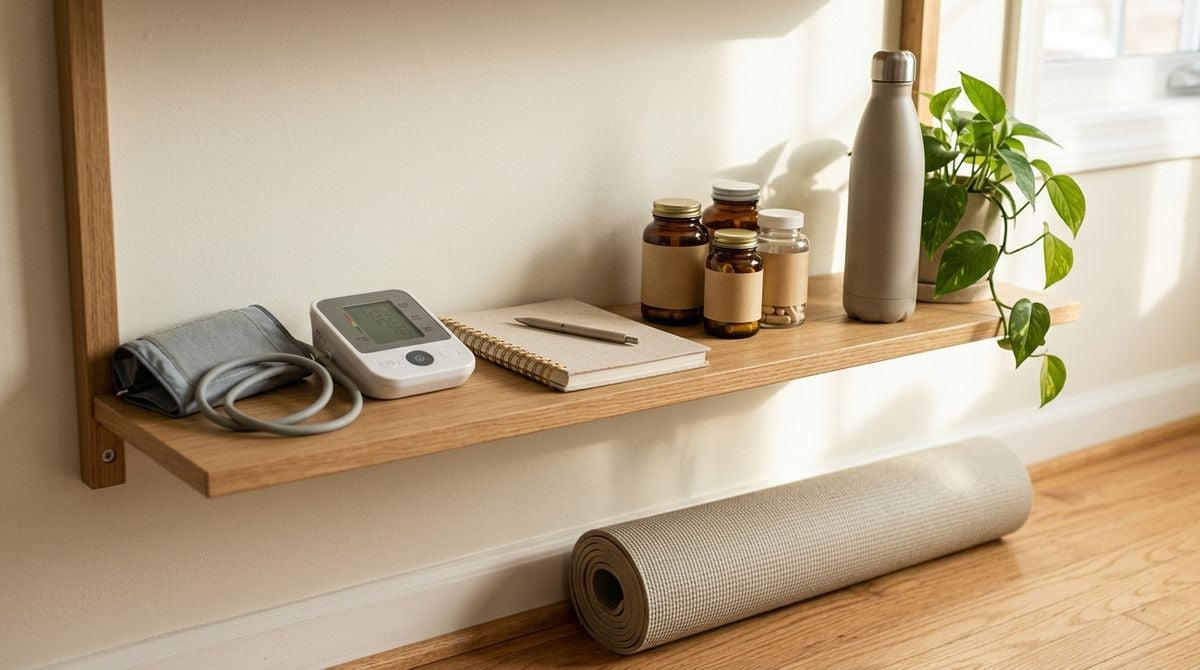
Minimalism does not mean sacrificing the ability to move freely. In fact, an intentional, minimalist home is the perfect place to integrate gentle movement and physical wellness. Even in a small apartment or home, dedicating a specific, uncluttered area for stretching or light exercise can make a significant difference. Focusing on this aspect of your home lifestyle involves creating a minimalist wellness corner where you can practice daily mindfulness and light movement.
Consider the following steps to incorporate more movement into your daily routine within your home:
- Dedicate a small corner with a clean floor space for stretching.
- Use minimal, functional equipment that can be easily stored away.
- Ensure your space is free from distractions to focus on your practice.
- Maintain a consistent time each day to use this designated area.
By creating this dedicated space, you prioritize movement without the need for large equipment or a dedicated room. This approach keeps your home minimalist while still providing you with the necessary tools to care for your physical health.
Refining your home environment is a continuous process rather than a final destination. As your needs and lifestyle evolve, so too should your living space. By remaining mindful of the connection between your surroundings and your well-being, you can ensure that your home remains a source of balance, vitality, and true comfort. Small, intentional changes often yield the most significant benefits over time, leading to a home that serves not just as a shelter, but as an active partner in your journey toward a healthier, more meaningful life.