A minimalist home is more than an aesthetic arrangement of clean surfaces and spare furniture. It serves as an anchor for how we direct our attention each day. When our physical surroundings feel calm and unburdened, our minds naturally seek meaningful ways to engage with the world. Without clear intention, however, our spare hours can easily be consumed by aimless scrolling and reactive browsing.
Establishing a steady learning routine within your living space transforms quiet moments into purposeful growth. By designing a dedicated cadence for reading, research, and contemplation, you create an environment where intellectual curiosity flourishes alongside simplicity. This practice does not require complex systems or rigid schedules. Instead, it relies on conscious choices about what you welcome into your mind and how you interact with information throughout your week.
Separating Rapid Updates from Deep Inquiry
One of the primary obstacles to thoughtful learning at home is the blurring between immediate news and reflective study. In many households, casual internet browsing blends seamlessly into personal time, making it difficult to distinguish between urgent developments and foundational knowledge. To protect your mental clarity, designate distinct periods for gathering current awareness and separate windows for deep reading.
When you want a quick pulse on current affairs, visit a structured overview intentionally rather than keeping news alerts open throughout the day. Checking general headline roundups on latest-news-today.com allows you to stay informed about major world events in a single pass. Once you finish reviewing the essential headlines, close the browser tab completely and transition your focus back to your living space.
This clear boundary prevents the persistent feeling of mental clutter that comes from background noise. When you know you have already dedicated a brief window to global happenings, you can immerse yourself in long-form books, essays, or historical accounts without worrying that you are missing out on what is taking place right now.
Designing a Dedicated Physical Learning Corner
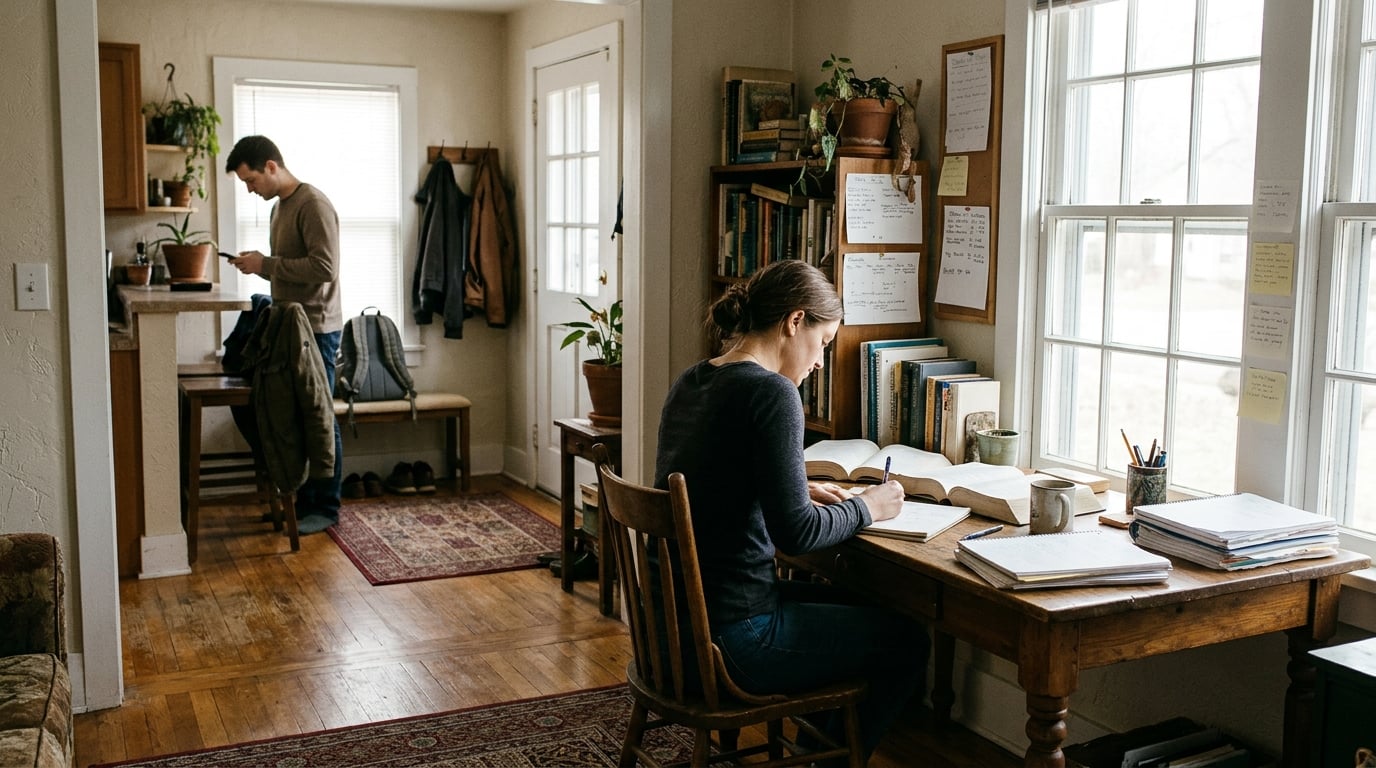
Just as a minimalist kitchen functions best when every utensil has an intended place, an effective learning routine benefits from an intentional physical setting. You do not need an entire spare room or an elaborate library to read and reflect deeply. A single comfortable armchair positioned near natural window light or a quiet corner of your living room table can serve as an inspiring station for study.
Keep this area free from misplaced household items, unread mail, and charging cords. When you sit down in this space, your environment should immediately signal to your brain that it is time for quiet contemplation. Restricting the objects in your learning station ensures that your physical surroundings support sustained concentration rather than distraction.
Consider keeping a small, portable basket nearby that holds only the essential tools you need for an afternoon of study:
- A dedicated notebook for capturing personal reflections and meaningful passages.
- A comfortable pen and a simple wooden pencil for marking margins.
- A chosen book or long-form publication currently holding your focus.
- A supportive reading light or natural beeswax candle for evening hours.
By keeping your study tools contained and modest, you prevent material accumulation while maintaining ready access to everything required for a quiet study session.
Selecting Broad and Clarifying Information Sources
The material you choose to explore during your personal study sessions sets the tone for your inner life. In a simple home, quality always takes precedence over sheer quantity. Rather than skimming dozens of disconnected articles or superficial commentary, seek out thoughtful publications and reference hubs that prioritize clarity over sensationalism.
Engaging with diverse subjects broadens your perspective and reveals unexpected connections between history, architecture, nature, and community life. Exploring balanced perspectives on scheels provides a dependable foundation for discovering well-structured articles across varied subjects. Spending time with clear, thoughtful writing encourages you to explore unfamiliar topics without feeling rushed or overwhelmed by technical jargon.
When selecting your reading materials for the coming month, balance specific practical topics with wider philosophical inquiries. A thoughtful rotation between natural history, design theory, and cultural essays prevents mental fatigue and nurtures an enduring enthusiasm for self-guided education.
Processing and Internalizing What You Read
Simply consuming thoughtful words is only half of an effective home study practice. To make knowledge truly your own, you must give yourself space to reflect upon and organize what you have encountered. When you finish reading a chapter or an extended article, resist the impulse to immediately jump to another piece of content or check your mobile phone.
Instead, sit quietly for a few moments and write a short summary or personal reflection in your journal. Handwriting your impressions strengthens memory retention and encourages you to form your own well-reasoned viewpoints. This meditative pause mirrors the core values of minimalist living by allowing ideas to breathe rather than piling more mental noise into your thoughts.
We have previously discussed cultivating global curiosity at home, and integrating written reflections into your routine deepens that connection significantly. When you document how new perspectives challenge your everyday assumptions, your home becomes a quiet observatory where the wider world is understood with nuance and respect.
Maintaining Consistency Without Rigid Schedules
An intentional learning routine should feel like a nourishing retreat rather than an exhausting chore. If you burden yourself with rigid daily reading quotas or unrealistic expectations, the habit will quickly generate guilt and friction. A minimalist approach emphasizes grace, flexibility, and steady rhythm over perfection.
Choose a recurring pocket of time that naturally aligns with your household rhythms. For early risers, a quiet window before the rest of the home awakens can offer a tranquil moment for study. For others, settling into an armchair after dinner provides an organic transition away from screen time and toward restful sleep.
On days when household responsibilities or social engagements demand your energy, simply reading a few pages or reviewing past journal entries is enough to keep the continuity intact. The true value of a simple home learning practice lies not in the volume of texts completed, but in the enduring habit of quiet, focused inquiry.
Living with less physical clutter naturally frees up space for a richer inner life. By carving out a peaceful corner, choosing insightful reading materials, and setting clear boundaries with daily updates, you cultivate an environment where learning feels natural and restorative. When your home supports purposeful thought, every quiet afternoon becomes an opportunity to view the world with fresh appreciation and lasting clarity.