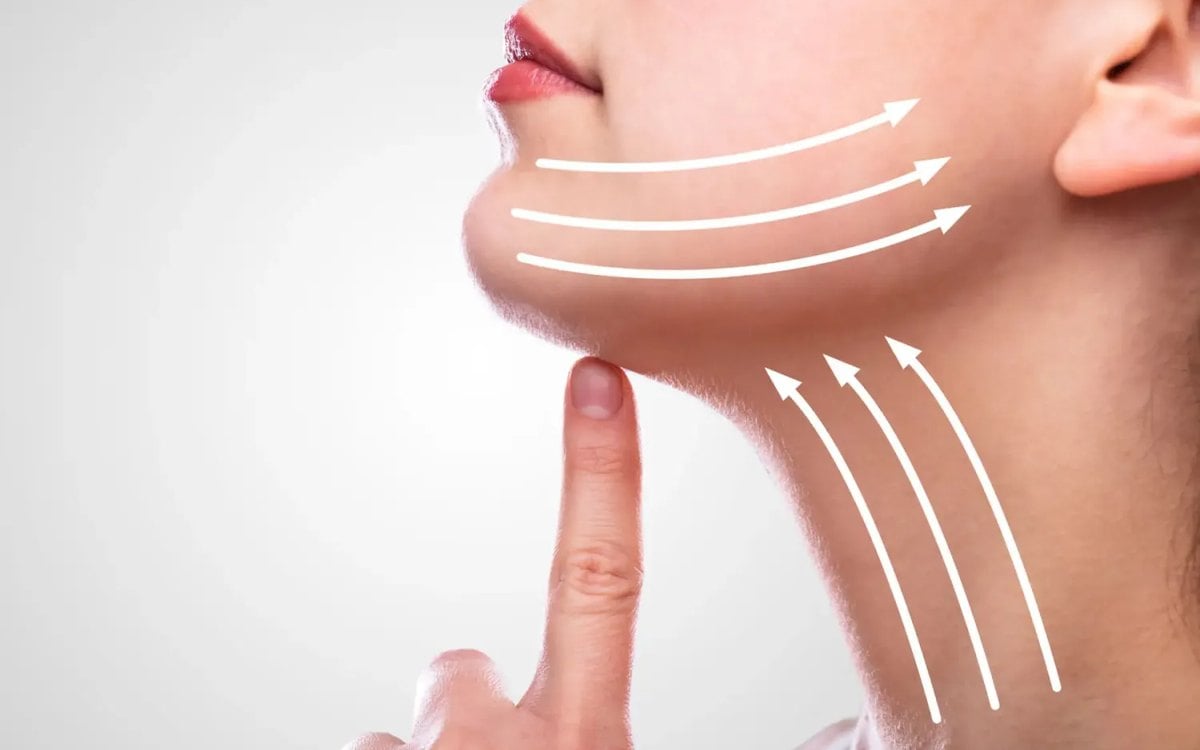
The label “double chin” covers more than one problem. Fat beneath the chin is the most familiar version, and it is the one neck liposuction is built to remove. Loose skin and a small chin can produce a similar profile and call for different answers.
Leo Lapuerta, MD, FACS, a triple board-certified plastic surgeon with more than 30 years of experience, performs neck liposuction for patients in Houston, Pearland and Katy. A Houston surgeon’s page on neck liposuction, published by his practice, answers the common assumptions patients bring to a consultation. Five of them deserve a closer look.
Assumption one: liposuction tightens the neck
Neck liposuction removes fat. During the procedure, Dr. Lapuerta makes a small incision just below the chin and removes excess fat through a thin tube called a cannula. The practice describes the result as a sleeker, more defined neck and an improved jawline and profile.
Loose, sagging skin is a separate issue. The practice says people with that kind of skin may want to combine neck liposuction with a neck lift, in which the surgeon tightens the neck muscles and redrapes the skin. The practice adds that while liposuction can be a stand-alone procedure, in most cases it is paired with a neck lift.
Assumption two: a small bulge is not worth treating
The practice’s FAQ takes this one up. Liposuction removes both small and large amounts of fat, and patients with a small but distinct bulge under the chin can benefit a great deal. The practice describes removal of that kind of fatty bulge as a straightforward step.
By the practice’s own description, the strongest case for liposuction alone is a pocket of fat under the chin in a patient with good overall health and realistic expectations. The practice lists both of those as requirements for neck liposuction candidates.
Assumption three: the fat grows back
The practice’s answer is direct. The fat cells removed during liposuction do not come back. Patients who gain weight after surgery can still regain fat in the area, because the cells left behind can expand.
The practice ties the long-term result to habits. Patients who keep to a healthy diet and an exercise program continue to see results years after surgery, according to the practice.
Assumption four: every full neck is a fat problem
Bone structure plays a part. The practice notes that patients born with limited bone support may want to consider a chin implant or genioplasty as part of the plan. A chin that sits back can soften the jawline even when there is little fat to remove.
The practice also offers Kybella as a non-surgical alternative to neck liposuction. During the first consultation, the practice says, it assesses whether liposuction will be enough to reach the result a patient wants.
Assumption five: recovery means weeks away from work
The practice says most patients return to work two to three days after the procedure, though people heal at different rates. Patients wear a compression garment, a head sleeve or chin strap, through the first week to control swelling. Some bruising or swelling around the neck can occur, and the practice expects it to subside fairly quickly.
Exercise waits longer. The practice recommends holding off on the gym and other strenuous activity for a few weeks. Patients who combine liposuction with a lift face a longer recovery.
The procedure itself takes close to an hour. Dr. Lapuerta performs it under general anesthesia in his accredited on-site operating room, a QuadA accredited facility he owns and operates, and he works with physician anesthesiologists. Most surgeons prefer the tumescent, or superwet, technique, the practice notes, which uses a fluid of saline, a numbing agent and a substance that controls bleeding. Like any surgery, it carries risks.
Scarring tends to be minimal. The incisions range from keyhole punch marks to very small lines, placed so that in most cases the fading scar sits where it is hard to see. At the first follow-up visit, once the bandages come off, the practice says patients can begin to see their results, though healing pace differs from one person to the next.
This article is for general information only and is not medical advice. Results vary from patient to patient. Consult a board-certified plastic surgeon or your physician about your own situation. Written in partnership with Joseph Lambert, a publicist working with Leo Lapuerta, MD Plastic Surgery.