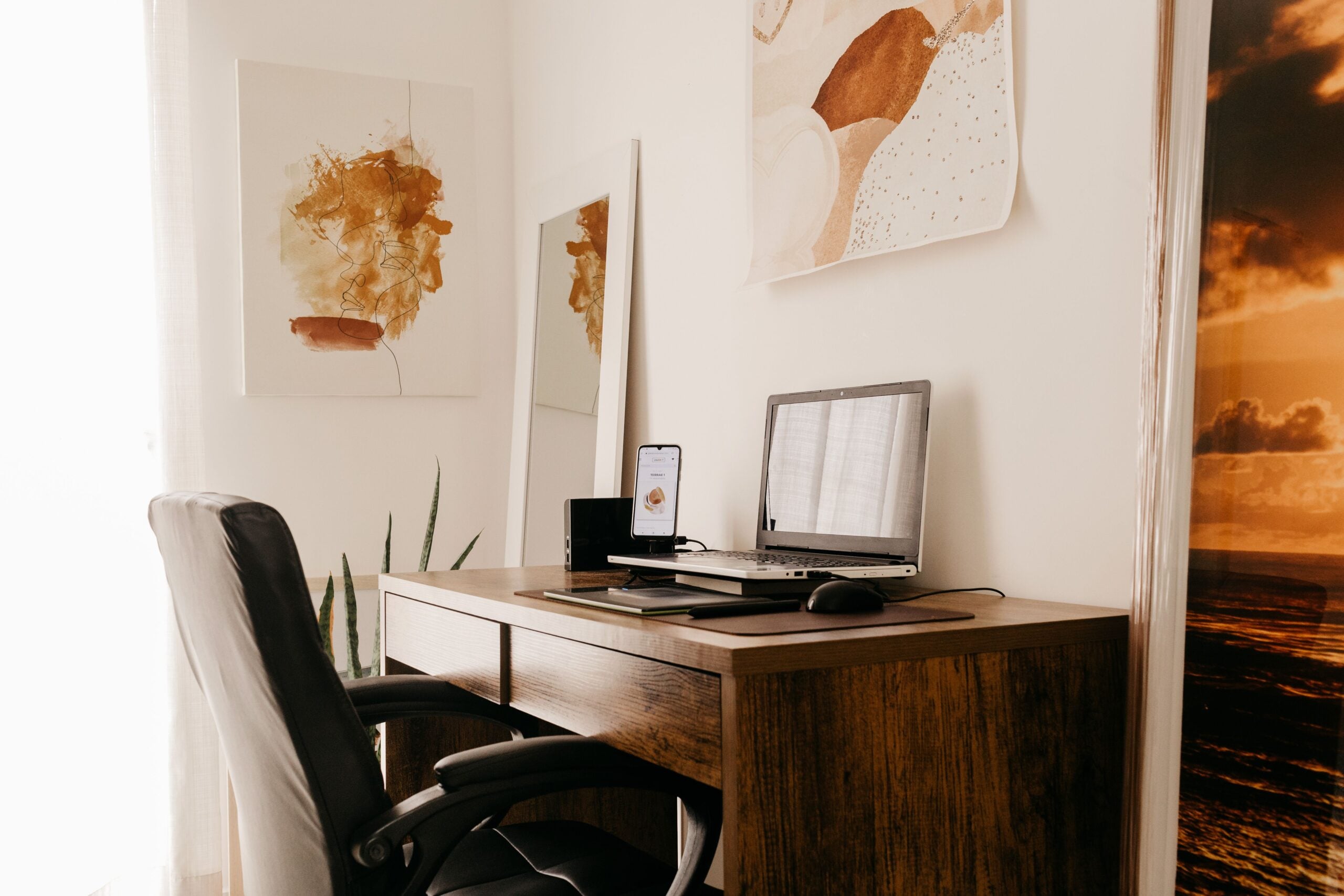
When the final bell rings and the buses pull away, most teachers grab a tote bag stuffed with ungraded papers, lesson plans, and endless permission slips. You head home, drop your keys, and eventually find yourself sitting on the couch trying to grade math tests while the television plays in the background. It’s a familiar routine, but it ruins the separation between your professional and personal life.
Bringing work home is practically inevitable in the teaching profession. However, letting that work spill over onto your kitchen table or living room floor quickly leads to severe burnout. Sometimes, school districts hire an education consultant to help optimize campus workflows and ease staff burdens, but optimizing your personal workflow at home is entirely up to you. Setting up a dedicated workspace inside your house helps you tackle your grading faster, keeps your living space relaxing, and protects your mental health. Here’s how to create an after-school workstation that actually works for you.
Claim a Dedicated Boundary Zone
The most common mistake educators make is working wherever they happen to sit down. Grading essays in bed or planning lessons at the dining table blurs the lines between relaxation and labor. To fix this, you need to claim a specific spot in your house strictly for school tasks.
You don’t necessarily need an entire spare bedroom to make this happen. A quiet corner in a guest room, a well-lit nook in the hallway, or even a transformed walk-in closet can serve as an excellent office space. The physical location matters less than the boundary it creates. When you sit at this specific desk, your brain knows it’s time to focus on lesson plans. When you stand up and walk away, the work stays there. This physical separation is vital for your evening sanity.
Prioritize Your Posture
Teachers spend the vast majority of their day standing, walking around the classroom, and leaning over student desks. By the time you get home, your back and feet are exhausted. The last thing you need is a flimsy folding chair that offers zero lumbar support.
Since you’ll be spending several hours a week in this home setup, investing in a high-quality, ergonomic desk chair is a must. Look for something adjustable that allows your feet to rest flat on the floor while your knees stay level with your hips. Your desk should be at a height where your arms can rest comfortably while typing on your laptop, preventing your shoulders from hunching up toward your ears. A comfortable setup means you can grade those history exams without waking up the next morning with a stiff neck.
Tame the Never-Ending Paper Trail
Even in a highly digital era, teaching still involves an astonishing amount of physical paper. If you don’t have a system to manage it, your home workspace will quickly look like a recycling bin exploded. Bring organization to your desk by setting up a straightforward filing system.
Use stacked trays to separate papers into three simple categories: items to grade, items to enter into the grade book, and items to return to school. Adding a small, decorative trash can and a recycling bin right next to your desk stops you from leaving sticky notes and scrap paper scattered across your work surface. Keeping the clutter contained to specific trays means you’ll spend less time searching for that missing rubric and more time actually getting your work done.
Stop Squinting with Proper Lighting
After staring at a whiteboard and fluorescent classroom lights all day, your eyes need a break. Unfortunately, grading handwritten essays in a dimly lit room is a fast track to a terrible headache. Overhead residential lighting is rarely bright enough for detailed reading and planning.
To combat eye strain, add a dedicated task lamp to your desk. Look for a lamp with adjustable brightness and color temperature settings so you can switch to a warmer, softer light as the evening progresses. Positioning the lamp on the opposite side of your dominant hand prevents annoying shadows from falling across the page while you write. If your desk happens to sit near a window, take advantage of the natural sunlight during those early fall and spring afternoons.
Build a Digital Charging Hub
Modern teaching relies heavily on technology. You’re likely hauling a school-issued laptop, a tablet, and a smartphone back and forth every single day. There’s nothing more frustrating than sitting down to finalize a presentation only to realize your laptop battery is dead and your charger is tangled up in the bottom of your work bag.
Equip your home workspace with a dedicated charging station. Buy an extra set of chargers specifically for your home desk so you never have to unpack the ones you keep in your classroom bag. Route the cables neatly behind the desk to keep the surface looking clean. When you have a reliable place to plug in, your devices will always be ready to go when the morning alarm rings.
Make It a Place You Actually Like
While this area is meant for getting work done, it shouldn’t feel like a punishment zone. Your classroom is likely decorated to inspire your students, so your home workspace should be decorated to inspire you.
Add a small potted plant to bring some life to the desktop. Hang a piece of art that makes you smile, or keep a comfortable pair of slippers tucked under the chair. You might even want to keep a small stash of your favorite snacks or a dedicated mug for your evening tea right within reach. By adding these small, personal comforts, you turn a dreaded chore into a manageable, even pleasant part of your evening routine.
Leaving Work at the Desk
Teaching is an incredibly demanding career that rarely fits neatly into standard contract hours. While we’d all love to leave every single piece of grading at the school building, it just isn’t always realistic. Creating a dedicated, comfortable, and organized workstation in your house gives you the power to manage your after-hours workload efficiently. It stops the paper from taking over your dining room and keeps your living areas reserved for what they were meant for—resting, recharging, and enjoying your time away from the classroom.


The idea of a designated post-bell spot for unpacking school bags made me rethink our drop zone. I set up a small caddy with planning sheets right by the door, so my kids can check in before they scatter. That simple workflow shift has already calmed the after-school chaos.
seedance2-5