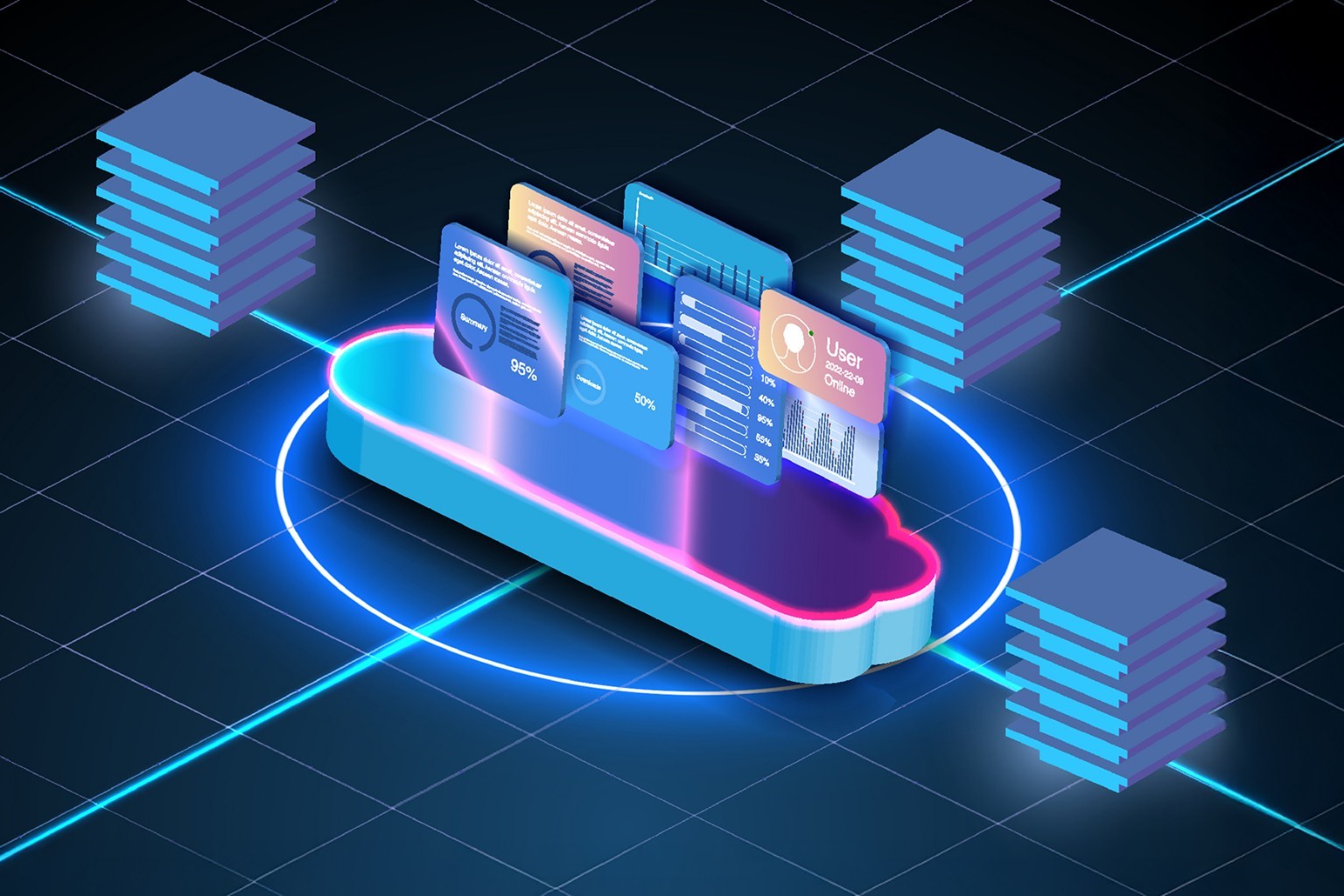
Migrating legacy databases can feel like navigating a minefield—one small mistake can lead to the loss of critical data, decreased system performance, or even bring your entire application to a halt. But it doesn’t have to be that way. With the right strategy, careful planning, and proven best practices, you can move data warehouse to data lake migration smoothly, minimize downtime, and even set your system up for future growth. A successful migration is more than just a technical upgrade — it’s an opportunity to improve efficiency, strengthen reliability, and prepare your infrastructure for the demands of the future.
In this article, we will explore the best practices for legacy database migration to ensure it is not only safe but also efficient and stress-free.
Legacy Database Migration Approaches
Organizations typically choose one of several approaches depending on their goals.
Lift-and-shift: involves a quick migration with minimal optimization and is suitable for short-term needs.
Re-platforming: offers partial modernization by adapting some processes and leveraging the advantages of the cloud.
Full modernization: entails migrating data warehouses to data lakes or lakehouse architectures, providing maximum flexibility.
| Migration Approach | Advantages | Disadvantages | Best For |
| Lift-and-Shift | Fast implementation, lower initial cost, minimal system changes | Limited optimization may keep legacy inefficiencies | Businesses needing a quick migration with minimal disruption |
| Re-platforming | Better cloud compatibility, improved performance, and moderate modernization | Requires some application and infrastructure adjustments | Organizations seeking a balance between cost and modernization |
| Full Modernization | Maximum scalability, advanced analytics support, flexible architecture | Higher cost, longer implementation time, more complex process | Enterprises focused on long-term growth and digital transformation |
Overall, full modernization is considered the best long-term approach because it provides the highest level of flexibility, scalability, and future readiness, although the right choice ultimately depends on the organization’s budget, timeline, and business goals.
Tools and Technologies for data warehouse to data lake migration
Modern migrations leverage a variety of tools and platforms:
| Category | Tools / Technologies | Purpose / Function |
| ETL Tools | Informatica, Talend, Apache NiFi | Streamline extraction, transformation, and loading of data |
| Cloud Platforms | AWS, Azure, Google Cloud | Provide scalable infrastructure and storage |
| Data Lake Technologies | Amazon S3, Azure Data Lake, BigQuery | Support large-scale storage of data |
| Data Validation Tools | – | Ensure consistency, quality, and schema adherence during transfer |
FAQ Section
Why do companies migrate from data warehouse to data lake?
in data warehouse to data lake migration, Organizations seek better scalability, lower storage costs, and advanced analytics capabilities, including machine learning.
What are the biggest challenges in legacy database migration?
Common challenges include poor data quality, schema mismatches, downtime, and insufficient documentation.
What are the best practices for data migration?
Best practices include cleansing data, phased migration, automated validation, parallel system operation, and strong governance.
Conclusion
Legacy database migration succeeds when carefully planned and executed. Following best practices protects data, minimizes downtime, and enables scalability. Modern tools and cloud-based solutions make the process smoother and set organizations up for future growth. A well-executed migration doesn’t just modernize infrastructure — it creates a stronger foundation for innovation, performance, and long-term business success.




I was reading what legacy database migration best practices are, and it was interesting how careful planning is important when handling complex systems and transitions. Student life feels very similar especially in business studies where projects research and deadlines all come together at once. Many students search for business assignment help when workload becomes difficult to manage during busy semesters. I have also seen UK Assignment Help mentioned in student discussions about balancing academic pressure and staying consistent with university tasks.
Best practices for legacy database migration emphasize meticulous planning, data validation, security assessments, system testing, and the reduction of downtime throughout the transition. Numerous students encounter difficulties with technical subjects when managing multiple deadlines. A learner expressed that structuring research and elucidating migration strategies was daunting; however, Essay Writers facilitated the clear presentation of ideas, rendering intricate concepts more comprehensible for academic discourse.
Legacy database migration works best when teams prioritize careful planning, data validation, backups, and thorough testing before making major changes. I also think documenting each migration stage helps reduce risks and makes troubleshooting much easier. The same structured approach can be useful when preparing complex academic work, especially when looking for a research proposal writing service uk to understand how a proposal should be organized and presented. Overall, clear processes and quality checks can make complicated projects much more manageable.