Recent advancements in boat technology, including calmer, cleaner, and more efficient ways to propel vessels, have gained popularity. It stems from the desire for more sustainable marine solutions. For a couple of decades, gasoline engines were very common on most types of boats due to their ability to travel long distances and their reliability as a form of propulsion. As of now, electric propulsion systems are becoming increasingly popular with recreational boats, marine tourism companies, and fishing operations.
Technological advances in battery technology, solid-state power electronics, and online motor control have made electric propulsion a viable option for mid-size and small recreational boats.
- Gas and electric motors: Performance differences
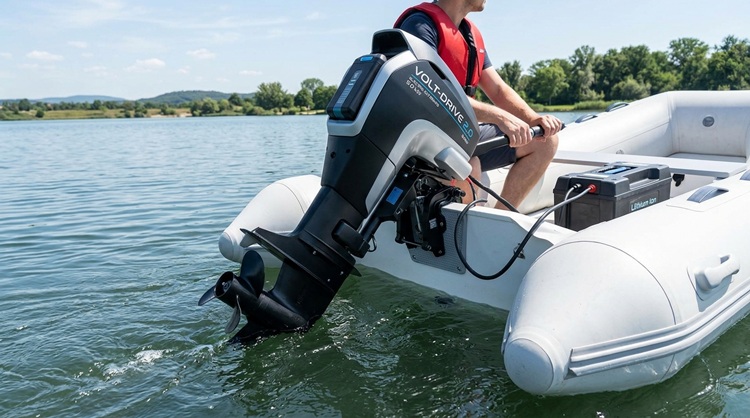
Today, innovative electric outboard engines provide real-time torque. It allows the boats to accelerate effortlessly without combustion-related vibration. Additionally, electric motors convert a large portion of their energy into propulsion, achieving approximately 44-54% efficiency. In contrast, gasoline engines achieve efficiencies of 5-15%. The result is that electric motors produce similar thrust with much less wasted energy, providing smoother, quieter operation and better motoring for fishing boats and other pleasure craft.
- Operating and ownership costs
Propulsion method expenses are generally based on the vehicle’s overall cost of ownership, which includes equipment price and long-term operational expenditures. Gasoline-powered equipment requires that you:
- Purchase fuel as well as perform oil changes.
- Replace spark plugs.
- Conduct routine mechanical maintenance.
Compared to traditional engines, electric propulsion will reduce some of these costs because they contain fewer moving parts and no parts that combust. The research indicates that switching to an electric propulsion system will reduce the vehicle’s annual energy and maintenance costs by 40% and 50%, respectively.
Also, comparing the energy an electric motor uses over time with that of its gasoline counterparts helps show how operational costs differ. Therefore, after many years of using the boat, electric motors will save more than the purchase price difference (initial cost) compared to traditional propulsion methods.
- Market trends and the future of electric boating
The global marine sector is transforming rapidly and embracing electrification. Market research reports indicate that the electric outboard motor market is expected to grow steadily over the next decade, driven by sustainability goals and rising fuel prices. In 2025, the market had reached nearly $178 million. The introduction of higher-capacity engines and longer-range battery systems marketed by boat manufacturers is anticipated to drive rapid growth in the near future.
Continued development will accelerate adoption, enabling technology across the recreational boating sector and the commercial maritime industry. The combination of high-voltage battery systems, advanced hydrodynamic propellers, and smart motor diagnostic tools enables electric propulsion systems to achieve higher operational reliability and efficiency. The ongoing progress of these technological advancements will enable boat owners to use electric propulsion systems as a viable alternative to conventional gasoline engines for routine boating activities.
Summing it up
Therefore, it is indeed interesting to find out the differences between gasoline and electric outboard engines. There are key points that set one apart from the other, and knowing them is crucial for customers. If you wish for more information, including answers to your questions, you can also visit some of the most reputable companies within the industry, such as furthercustoms.com. It will help you narrow down what you want and conduct market research before making a final decision.