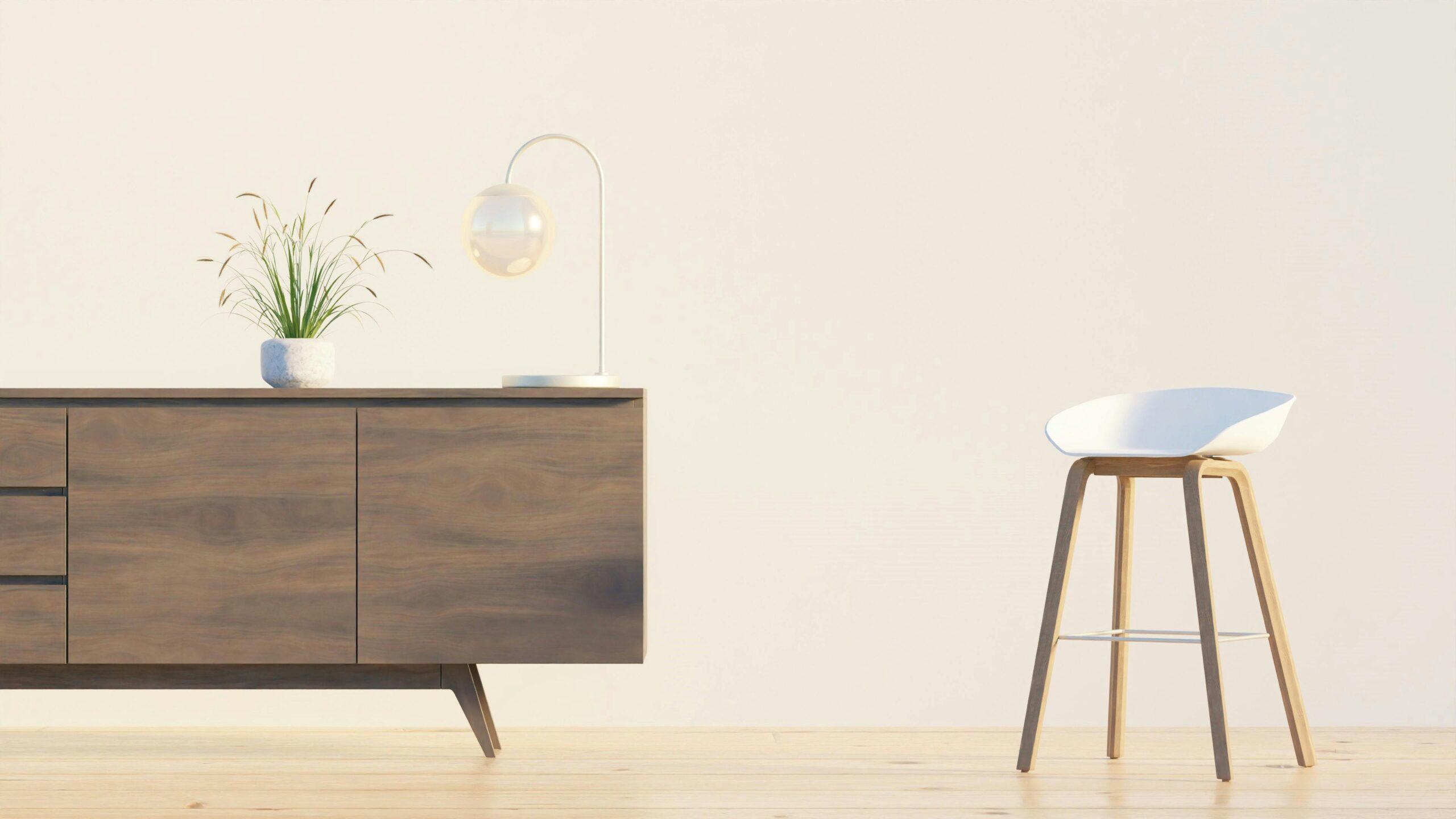
Let’s be honest—there’s something quietly stunning about a home with clean lines, crisp colors, and just a handful of thoughtfully chosen pieces. Minimalist homes have a way of making everything feel calm and intentional. But what about the outside? If you’re someone who swapped clutter for simplicity indoors, your yard shouldn’t look like a jungle next to a serene living room. I’ve learned (occasionally the hard way) that minimalist landscape design isn’t about having nothing; it’s about making everything count. Here’s how to pull it off, minus any design headaches.
Start With a Vision, Not a List
Forget running to the garden center with a shopping list. Before you buy a single pot or plant, picture how you want your outdoor space to feel. Is it a peaceful spot for morning coffee, or a clean, green view from the living room window? Grab your favorite mug, wander outside, and just hang out for a few minutes. Notice what already works—maybe it’s the way sunlight comes through the trees at 4 p.m. (golden hour is always a winner), or how you can hear the neighbor’s wind chimes but not see their backyard eyesore.
Less Is Definitely More (But Not Less Fun)
Minimalist landscaping isn’t about stripping everything away until there’s only gravel. It’s about keeping the best and getting rid of the rest. Choose a limited color palette—greens, whites, maybe the soft gray of concrete or light wood mulch. Plant in clusters, not scattered rows. Instead of fifty different bushes, go for three or four of the same kind. It gives everything a collected, intentional look, and you won’t spend weekends chasing after wildly different maintenance needs.
I once had a friend who chose three types of low-maintenance perennials and arranged them in neat patches across his tiny yard. The whole space felt instantly calmer, and his neighbor even asked for help to copy the vibe.
Clean Lines Make All the Difference
Stick to straight paths, simple shapes, and definite edges. A narrow stone walkway with sharp edges looks way more purposeful than a winding path (which I admit, can veer into cottagecore territory pretty fast). Raised beds with crisp metal or wood borders make a small garden look organized and clean. Don’t forget outdoor seating—one or two simple benches or a cube-style table says “modern” way louder than plastic patio furniture ever will.
Watch Out For Messy Construction (Take My Word For It)
Redesigning everything means heavy vehicles or tools might cross your yard, even if you’re doing most things by hand. If you’ve already got pretty grass or concrete you want to keep in one piece, protect the ground with temporary construction mats. They’re way more effective than a promise to “be careful”—especially if rain pops up and turns everything into a mud pit. A little planning here saves you a ton of cleanup later on.
Keep Up With Simplicity
Minimalist yards are honestly so much less work. Stick to low-maintenance plants; choose gravel or pavers where grass struggles; prune often, but gently. Your weekends will thank you.




This post has such a calming and inspiring perspective on minimalist living. Matching outdoor landscapes with a simple home design really creates a peaceful atmosphere and makes the whole space feel more connected and balanced. It’s interesting how simplicity can reduce stress in everyday life. In a similar way, students dealing with heavy academic pressure often search for support like write my dissertation for me UK to make complicated tasks feel more manageable and less overwhelming.