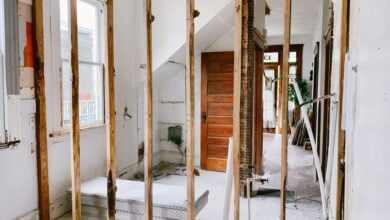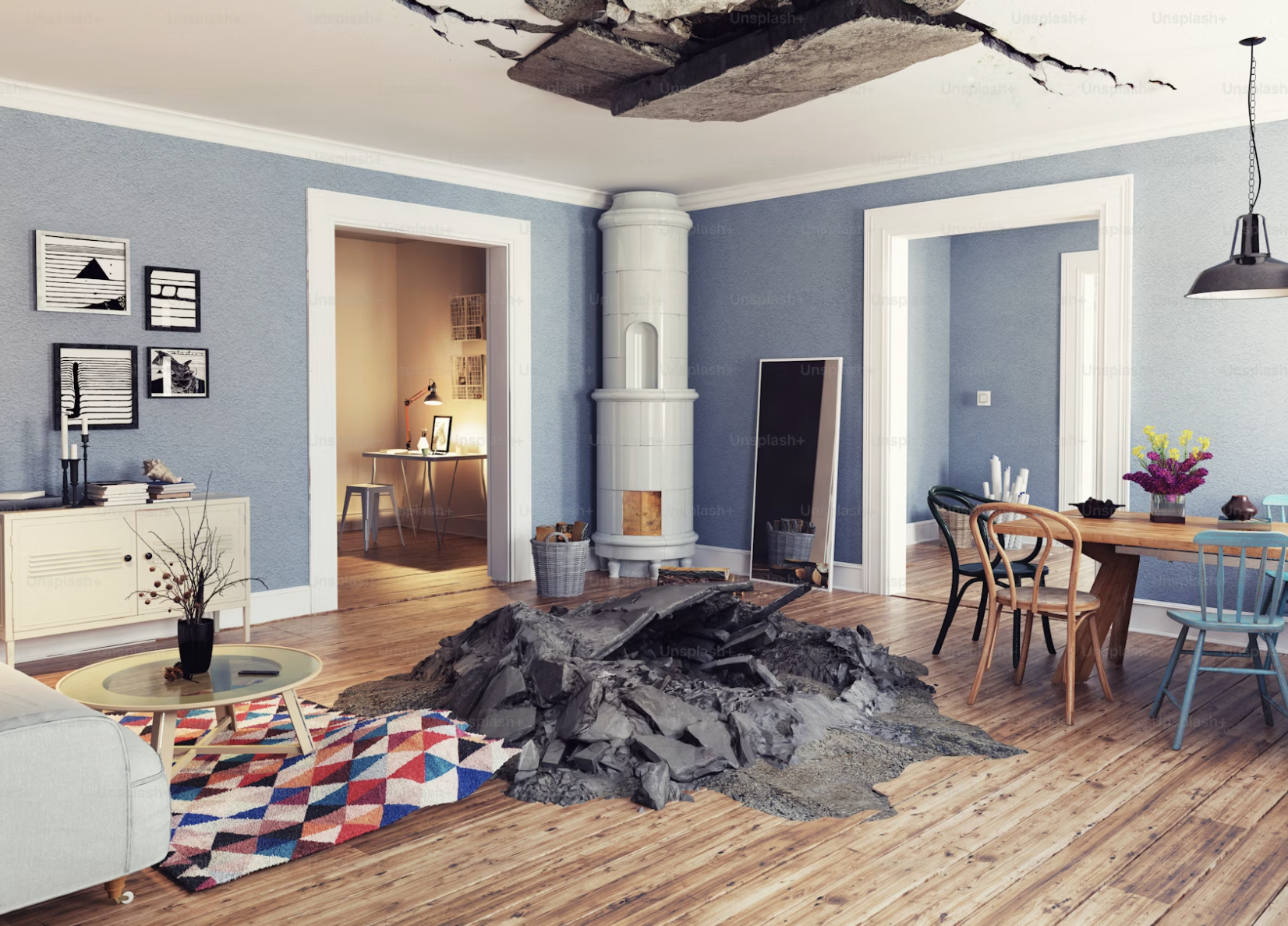
Water leaks often begin quietly and remain unnoticed for weeks or even months. Many homeowners only check visible fixtures, such as sinks, toilets, and showers. Unfortunately, some of the most damaging problems come from hidden leak sources that sit behind walls, under floors, or near HVAC equipment. These unseen leaks slowly cause damage long before obvious signs appear.
What makes hidden leaks dangerous is their ability to spread unnoticed. Moisture seeps into building materials, weakening them over time. By the time homeowners realise something is wrong, repairs are often extensive and expensive. Understanding where leaks hide is the first step toward protecting your home and avoiding unnecessary costs.
Why Hidden Water Leaks Are So Dangerous
Hidden leaks create the perfect conditions for long-term damage. Moisture trapped behind walls or above ceilings encourages mold growth and wood rot. Structural components can weaken without visible warning signs. This damage often progresses silently until repairs become unavoidable.
Water damage repairs frequently cost thousands of dollars once drywall, insulation, or framing is affected. Slow leaks can continue for months without detection, steadily increasing water bills. The longer a leak goes unnoticed, the greater the financial and structural impact on the home.
Behind Appliances Is a Common Trouble Spot
Household appliances that use water are a major source of hidden leaks. Washing machines, dishwashers, and refrigerators often rely on hoses that wear down over time. Small drips behind these units may go unnoticed for long periods.
Rubber hoses can crack, loosen, or fail suddenly. Annual hose inspections help reduce risk. Replacing older hoses before they fail prevents hidden water damage and unexpected flooding behind appliances.
Under Cabinets and Vanities Where Leaks Stay Hidden
Kitchen and bathroom cabinets conceal supply lines, drain pipes, and fittings. Leaks in these areas often remain hidden until damage becomes visible. These spaces are classic hidden leak sources because cabinets block direct sight and airflow.
Early warning signs include warped cabinet floors, peeling laminate, or a musty smell. Soft wood beneath sinks usually indicates long-term moisture exposure. Regularly checking cabinet interiors helps catch leaks early before structural damage develops.
Ceilings Near HVAC Units and Drain Lines
HVAC systems produce condensation during normal operation. That moisture drains through condensate lines, which can clog or crack over time. When this happens, water may leak into ceilings or walls below the system.
Ceiling stains near air handlers are a common sign of HVAC-related water damage. Routine HVAC maintenance often includes checking and cleaning drain lines. Preventative inspections help stop leaks before ceilings collapse or mold forms.
Attics and Roof Edges Can Hide Slow Leaks
Leaks near roof edges and attics often begin with damaged shingles or poor flashing. Rainwater seeps slowly and spreads across insulation or framing before it stains indoors. Homeowners usually notice the issue long after damage begins.
Ceiling discoloration or sagging drywall often appears weeks after the original leak. Periodic roof inspections reduce this risk. Addressing minor roof issues early prevents extensive interior repairs later.
Exterior Walls Behind Siding
Water infiltration does not always come from plumbing. Gaps around windows, doors, or siding allow rainwater to enter exterior walls. Once inside, moisture travels downward, damaging insulation and framing.
Because siding hides the wall surface, leaks remain unseen. Exterior inspections help identify cracked seals or deteriorating materials. Keeping exterior barriers intact protects interior spaces from long-term moisture exposure.
Crawl Spaces and Basements Hide Serious Risks
Crawl spaces and basements are common areas for unnoticed water intrusion. Groundwater seepage can occur due to poor drainage, foundation cracks, or blocked gutters. Moisture buildup in these areas affects structural stability.
Standing water or damp soil leads to mold growth and wood decay. These issues can compromise foundation integrity over time. Regularly monitoring crawl spaces helps identify early signs of water intrusion before major repairs are required.
Laundry Room Supply Lines and Drains
Laundry rooms are another frequent source of hidden leaks. Washing machine supply lines endure constant pressure and movement. Over time, rubber hoses degrade and develop small leaks.
Replacing rubber hoses with steel-braided lines significantly reduces the risk of failure. Checking drain connections also helps prevent slow leaks that damage floors and walls. Simple upgrades provide long-term protection in laundry areas.
How to Detect Hidden Water Leaks Early
Homeowners can take several steps to identify leaks early. Monitoring the water meter daily helps detect unexplained usage. Sudden increases often signal leaks somewhere in the system.
Visual signs also matter. Soft spots, peeling paint, mold growth, or musty odors indicate moisture problems. A toilet dye test helps detect silent toilet leaks. Inspecting HVAC drip pans and condensate lines monthly reduces the risk of ceiling leaks. Smart water sensors provide added protection by alerting homeowners immediately.
When to Call a Professional
Some signs require professional evaluation. Persistent high water bills without explanation often indicate hidden leaks. Water stains on ceilings or walls signal long-term moisture exposure. Mold growth without clear humidity issues is another red flag.
Repeated clogs in the same area or water pooling in crawl spaces also warrant professional attention. Trained technicians can locate leaks using specialised tools and prevent further damage.
Preventative Maintenance Reduces Risk
Preventive maintenance is the most cost-effective defense against water damage. Annual plumbing inspections catch small issues early. Seasonal HVAC maintenance includes cleaning the drain line to prevent overflow.
Regular checks on water shutoff valves and appliance hookups reduce risk. Maintaining gutters and downspouts ensures proper drainage away from the foundation. These simple steps protect the home year-round.
Real-World Examples Show the Impact
In one case, a homeowner discovered mold behind a refrigerator, caused by a slow water-line leak. The damage required cabinet replacement and mold remediation. Early inspection would have limited the repair scope.
Another homeowner experienced ceiling damage from a clogged AC drain line. Water leaked for weeks before staining appeared. Routine HVAC drain checks could have prevented the costly ceiling repair.
Conclusion
Hidden water leaks cause serious damage when left undetected. From appliances and cabinets to HVAC systems and crawl spaces, leaks often start where homeowners rarely look. Early detection and routine maintenance protect both structure and budget. Addressing small leaks now costs far less than major repairs later. Regular inspections, smart monitoring, and professional support provide peace of mind and long-term protection for every home.