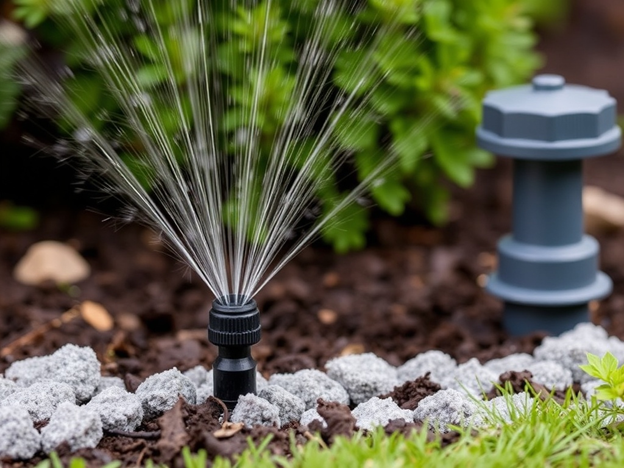
Seasonal shifts in the UK place constant pressure on outdoor systems, particularly when temperature, rainfall, soil condition and plant growth change so dramatically across the year. Homeowners who invest in structured garden irrigation maintenance tend to see more consistent performance, fewer breakdowns and better water efficiency because systems remain properly calibrated as conditions evolve rather than drifting out of balance over time.
While irrigation often feels like a “set and forget” feature once installed, each season introduces different operational challenges. From winter ground movement to summer evaporation rates, understanding how these variables affect your system allows you to make informed adjustments that protect equipment, improve plant health and avoid unnecessary water waste.
How Winter Conditions Affect Pipes, Valves and Soil Stability
Cold weather creates the greatest risk of physical damage to irrigation infrastructure. Freezing temperatures cause water trapped in pipes and fittings to expand, which can lead to cracks, weakened joints and split valves. Even in milder winters, repeated freeze and thaw cycles gradually stress components and shorten their lifespan.
Soil movement also becomes a factor during wetter months. Saturated ground can shift slightly, pulling buried pipework out of alignment or compressing fittings. This movement often goes unnoticed until spring when pressure drops or damp patches appear in unexpected areas of the garden.
Preparing for winter involves more than simply turning the system off. Draining water from lines, isolating vulnerable components and checking exposed fittings prevents residual water from freezing inside the system. A visual inspection after heavy rainfall also helps identify early signs of ground movement or pooling that could indicate hidden pipe strain.
Spring Growth and Changing Water Demand
As temperatures rise and daylight increases, plant growth accelerates and water requirements change rapidly. Lawns begin active growth, new planting beds establish root systems and soil dries more quickly than it did in winter. Irrigation schedules that worked in February may become inadequate by April.
Spring is also when blockages and wear from winter inactivity become apparent. Debris can settle inside filters and emitters, while seals that stiffened during cold weather may leak once pressurised again. These small issues often affect coverage consistency long before they cause visible failures.
A methodical system check in early spring helps recalibrate watering zones, confirm pressure balance and restore even distribution. Adjusting spray patterns to match new growth prevents overspray onto hard surfaces and reduces runoff, especially in gardens where planting layouts evolve year to year.
Summer Heat, Evaporation and System Efficiency
High temperatures and extended dry spells increase both plant water demand and evaporation loss. Irrigation systems that are not properly adjusted may deliver water at the wrong time of day or in inefficient spray patterns that lose moisture to wind drift and surface evaporation.
Extended operation during summer also places greater mechanical strain on pumps, controllers and solenoid valves. Heat can affect electronic components, while mineral build up becomes more noticeable in hard water areas as evaporation concentrates residue inside nozzles and pipes.
Optimising summer performance involves refining run times, staggering zones to maintain pressure stability and positioning emitters to deliver water directly to root zones. Early morning scheduling reduces evaporation while still allowing foliage to dry naturally, limiting disease risk without wasting water.
Autumn Preparation and System Reset
Autumn provides a valuable opportunity to stabilise the system before winter arrives. Falling leaves, organic debris and soil displacement from late summer storms can gradually interfere with filters and emitters if left unchecked.
Plant water demand also begins to decline, meaning irrigation schedules often require scaling back. Overwatering during cooler months can saturate soil, increasing the risk of root disease and compaction while adding unnecessary strain to the system.
Autumn maintenance focuses on cleaning components, reviewing controller programming and identifying any wear that developed during peak summer usage. Addressing minor leaks or misaligned fittings at this stage reduces.